Yes, sudden irritability, intense anger or anxiety can occur during perimenopause, although these feelings should not simply be dismissed as “just hormones.” The pattern, severity, and effect on your daily life matter, especially if the feelings are new, difficult to control, or affecting your safety, relationships, or ability to function.
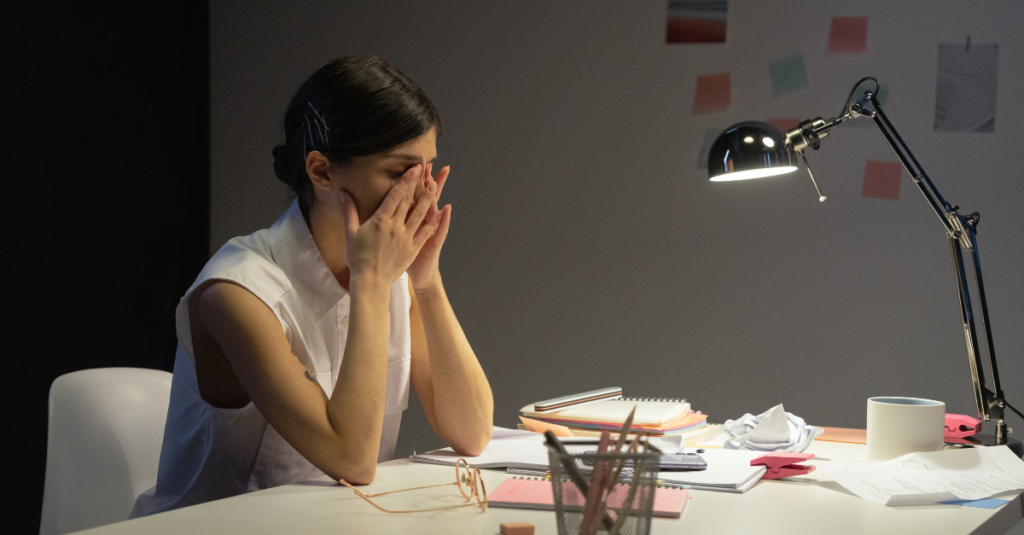
You may be calmly making breakfast, answering an email or driving home when something small suddenly feels unbearable. The intensity can be frightening, particularly if you have always thought of yourself as patient, steady or able to cope.
This does not mean you are becoming a different person. It may mean that hormonal changes, disrupted sleep, accumulated stress and other pressures are reducing the emotional breathing space you once had.
A Quick Answer
Recognizing that mood changes are common during perimenopause and menopause can help women feel understood and less alone in their experiences. Women may experience anxiety, low mood, mood swings, irritability, difficulty concentrating and disrupted sleep, and poor sleep can make emotional symptoms feel worse. The NHS guide to perimenopause and menopause symptoms explains these changes in more detail.
“Rage” is not a formal medical diagnosis. It is a word some women use to describe anger that feels unusually intense, immediate or out of proportion to the situation.
Perimenopause may be part of the explanation, but it is important to consider the whole picture. Anxiety, depression, thyroid problems, medication effects, relationship strain, caregiving demands and other health conditions can produce similar or overlapping symptoms.
Why this may happen
1. Hormonal fluctuations may affect mood
During perimenopause, levels of reproductive hormones do not simply fall in a smooth, predictable line. They can fluctuate as the ovaries gradually change their pattern of hormone production.
These changes may influence brain systems involved in mood, sleep and emotional regulation. Some women notice increased irritability, tearfulness, anxiety or a lower tolerance for stress, while others experience few emotional symptoms.
A history of significant premenstrual mood symptoms or postnatal depression may be relevant, although women without either history can also experience mood changes during the menopause transition.
2. Poor sleep reduces emotional resilience
You may be waking because of night sweats, anxiety, pain, needing to urinate or simply being unable to stay asleep. Even when you technically spend enough hours in bed, repeated waking can leave you feeling unrefreshed.
Sleep deprivation can make it harder to concentrate, pause before reacting and recover from ordinary frustrations. The NHS notes that sleep problems during perimenopause can contribute to irritability, stress and anxiety.
3. Stress may be reaching a tipping point
Perimenopause often arrives during a demanding stage of life.
You may be managing work, children, ageing parents, financial pressure, relationship changes or your own health concerns. Hormonal changes may not have created every source of stress, but they can make an already overloaded nervous system feel less able to absorb one more demand.
Sometimes what feels like sudden rage is the final visible moment of exhaustion that has been building quietly for months.
What it can look like in everyday life
Mood changes do not look the same for every woman. You might notice:
- Snapping over small noises, interruptions or unfinished tasks
- Feeling suddenly furious and then ashamed afterwards
- Waking with anxiety before anything has happened
- Experiencing racing thoughts or a sense of impending danger
- Becoming more sensitive to criticism or conflict
- Feeling overwhelmed in busy shops, meetings or social situations
- Crying more easily than usual
- Struggling to calm down after an argument
- Avoiding people because you fear losing your temper
- Feeling tense, restless or unable to switch off
- Not recognising your usual emotional responses
You may also notice physical sensations such as a racing heartbeat, sweating, trembling, nausea, chest tightness, dizziness, or hot flashes. These can occur with anxiety, but new or severe physical symptoms should not automatically be assumed to be hormonal.
Other possible explanations
Depression or an anxiety disorder
Mood changes related to perimenopause are not always the same as clinical depression or an anxiety disorder. Persistent hopelessness, loss of interest, intense guilt, frequent panic or anxiety that affects most areas of life may need separate assessment and treatment.
Perimenopause and a mental-health condition can also occur together. You do not have to decide which label fits before asking for help.
Premenstrual syndrome or PMDD
If you still have periods, severe irritability or anxiety may follow a cyclical pattern, becoming worse during the week or two before bleeding begins and improving afterwards.
Keeping a daily record can help distinguish a menstrual pattern from symptoms that are present throughout the month.
Thyroid problems or other physical conditions
An overactive thyroid can cause anxiety, irritability, palpitations, sweating and sleep problems. Anaemia, chronic pain, medication side effects, alcohol use and other health concerns may also affect mood or energy.
A healthcare professional can decide whether blood tests, a medication review or another assessment would be appropriate.
Life circumstances that need attention
Not every emotion should be explained away as a symptom.
Anger may be signalling that your workload is unreasonable, your boundaries are repeatedly ignored or a relationship feels unequal or unsafe. Hormonal changes can intensify a feeling without making the underlying problem imaginary.
What may help
1. Track the pattern without judging yourself
For several weeks, make a brief daily note of:
- Your mood and anxiety level
- Sleep quality
- Menstrual bleeding
- Hot flushes or night sweats
- Alcohol and caffeine intake
- Significant stress or conflict
- Medicines or supplements
- What was happening before the feeling began
The aim is not to monitor every emotion obsessively. It is to look for patterns you can discuss with a healthcare professional.
2. Create a pause before responding
When anger rises quickly, the first goal is not to solve the entire situation. It is to give your nervous system enough time to come down from its peak.
You might:
- Step into another room when it is safe to do so.
- Unclench your jaw and lower your shoulders.
- Breathe out slowly for longer than you breathe in.
- Drink water or splash cool water on your face.
- Say, “I am overwhelmed. I need ten minutes before we continue.”
Taking a pause is not avoiding the problem. It may help you return to it without saying something you do not mean.
3. Protect your sleep where possible
A regular sleep routine, a cooler bedroom, reduced late-evening caffeine and addressing night sweats may help. Rest cannot remove every cause of anxiety, but it can improve your capacity to manage emotion.
The NHS advice on managing menopause and perimenopause symptoms includes suggestions for sleep, relaxation, movement and reducing common triggers.
4. Reduce avoidable overload
Look honestly at what you are carrying.
Could another adult fully own a household task rather than waiting for instructions? Could you decline one commitment, take a proper lunch break or stop answering work messages in the evening?
Reducing pressure is not a failure of resilience. It is a practical response to limited capacity.
5. Discuss treatment options
Treatment should be individualised according to your symptoms, medical history, preferences and level of distress.
Options may include psychological support, cognitive behavioural therapy, treatment for an anxiety disorder or depression, and discussion of hormone replacement therapy when symptoms are associated with menopause. NICE recommends shared decision-making about the benefits and risks of menopause treatments rather than a one-size-fits-all approach. Read the NICE menopause guideline for further information.
CBT may be helpful for low mood, anxiety and sleep difficulties. Medication may also be appropriate when a separate mental-health condition is diagnosed, but treatment decisions should be made with a qualified healthcare professional.
6. Tell someone what is happening
Shame often makes mood symptoms feel more isolating.
Consider telling a trusted partner, friend or family member:
“I have noticed that my anxiety and irritability have become much stronger. I am trying to understand what is happening, and I may need more support and space.”
You are not excusing hurtful behaviour. You are creating an opportunity for honesty, repair and practical help.
It is worth getting support if…
- Your anger or anxiety feels increasingly difficult to control.
- Symptoms are affecting work, parenting, relationships or daily tasks.
- You are having frequent panic attacks.
- You feel persistently low, hopeless, numb or unlike yourself.
- You are avoiding normal activities because of fear or anxiety.
- You are using alcohol, sedatives or other substances to cope.
- You are frightened that you may harm yourself or someone else.
- You are barely sleeping, feel unusually energised or agitated, or other people are concerned about a sudden change in your behaviour.
- You hear or see things other people do not, feel severely confused or lose touch with reality.
When to speak to a healthcare professional
Arrange an appointment if your mood changes are persistent, worsening or causing distress. You do not need to wait until your relationships or work are at breaking point.
A doctor, nurse practitioner or menopause specialist may ask about your periods, sleep, physical symptoms, stress, mental-health history, medication and how the changes affect your life.
Depending on your age and circumstances, perimenopause may sometimes be identified from symptoms and menstrual changes without extensive hormone testing. NICE advises that routine hormone tests are generally not used to identify perimenopause in otherwise healthy people aged 45 or over.
Seek urgent help through your local emergency service or mental-health crisis service if you feel unable to keep yourself or someone else safe. Do not stay alone with thoughts of suicide or serious harm.
Questions Women Often Ask
1. Can perimenopause really make anger feel this intense?
1t can contribute to irritability and mood changes, particularly when combined with poor sleep and stress. However, intense anger should still be taken seriously rather than automatically attributed to hormones.
2. Why does the anxiety appear when nothing is wrong?
Anxiety can begin as a physical alarm response before you have consciously identified a thought or trigger. Hormonal fluctuation, sleep loss, caffeine, stress and previous anxiety can all influence that response.
New, frequent or severe anxiety deserves assessment.
3. Does this mean I need HRT?
Not necessarily. HRT is one possible treatment for some menopause-associated symptoms, but it is not suitable or desired by everyone.
Your healthcare professional should discuss your symptoms, health history, preferences and the potential benefits and risks with you.
4. Will these feelings disappear after menopause?
Symptoms may change or improve over time, but the course is different for every woman. You should not feel that you must simply endure severe symptoms while waiting for them to pass.
5. What should I do after I have shouted at someone?
Allow yourself to calm down, then take responsibility without attacking yourself.
You might say, “I am sorry I shouted. The way I spoke was not acceptable. I have been struggling with intense mood changes, and I am getting support.”
An explanation can provide context, but it does not replace repair.
Key takeaways
- Irritability, anxiety and mood swings can occur during perimenopause.
- Poor sleep and accumulated stress can make emotional reactions feel more intense.
- “Rage” is not a diagnosis, and severe anger should not automatically be blamed on hormones.
- Tracking mood, sleep, periods and triggers may reveal useful patterns.
- CBT, practical lifestyle changes, mental-health treatment and menopause treatments may help, depending on the cause.
- Seek professional support when symptoms are persistent, frightening or affecting daily life.
- Get urgent help if you may harm yourself or another person or experience severe behavioural or perceptual changes.
Conclusion
There can be something deeply unsettling about hearing anger in your own voice and wondering where it came from. You may feel ashamed afterwards or frightened that this is simply who you have become.
It is not.
Your emotions may be responding to hormonal change, poor sleep, relentless stress or needs that have gone unheard for too long. Understanding those influences does not mean excusing harmful behaviour, but it does mean replacing shame with curiosity and appropriate support.
You deserve more than being told to calm down or put up with it. Notice the pattern, speak honestly about what is happening and seek help before you reach the point where everything feels unmanageable.
Medical Disclaimer
This article is for educational purposes only and does not replace personalised medical advice, diagnosis, or treatment. If you are worried about your symptoms, if your symptoms are getting worse, or if something does not feel right in your body, please speak with your doctor, nurse practitioner, gynaecologist, endocrinologist, or another qualified healthcare professional. Seek urgent medical help for severe, sudden, or concerning symptoms.