
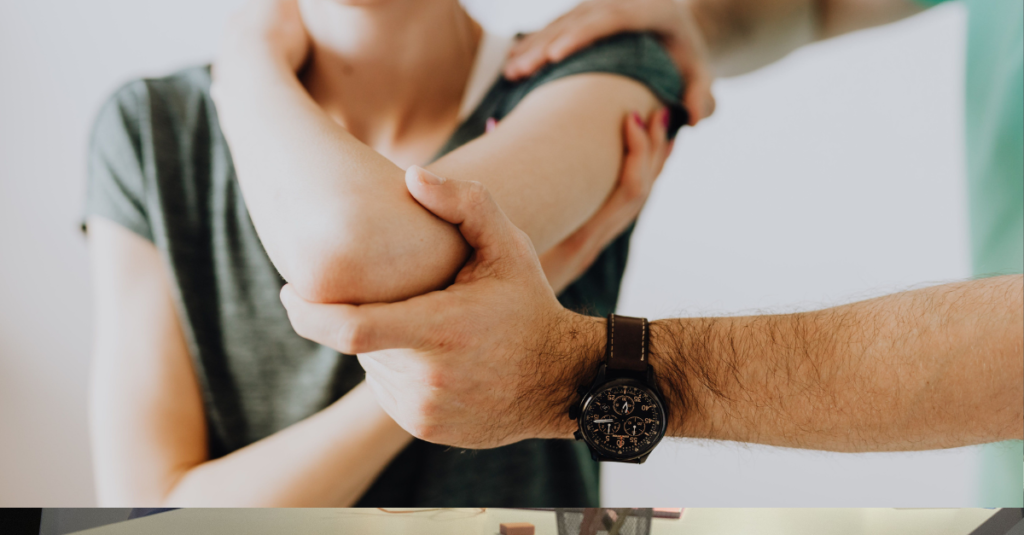
Yes, waking with aching or stiff joints after menopause is common, but it’s not inevitable. Persistent or severe pain should be discussed with a healthcare professional to help you feel more confident in your health management.
There is a particular kind of frustration in waking after a full night in bed and feeling as though your body has not rested with you. Your fingers may resist making a fist, your knees may feel reluctant to bend, or your hips may need several careful steps before they loosen.
The discomfort may improve once you begin moving, helping you feel more in control. Gentle activity can support your daily comfort and reduce worry about ongoing pain.
A Quick Answer
Joint and muscle pain are recognised symptoms of menopause and can continue after periods have stopped. Hormonal changes may contribute, but joint pain after menopause can also be related to reduced movement, declining muscle strength, osteoarthritis, injury, poor sleep or an inflammatory condition.
The NHS menopause symptoms guide includes muscle aches and joint pain among possible symptoms. This does not mean that every painful joint after menopause is caused by lower oestrogen, however.
The location, timing and pattern of your symptoms matter. Mild stiffness that settles after a few minutes of gentle movement is different from a hot, swollen joint or stiffness that continues for much of the morning.
Why Your Joints May Feel Stiffer After Menopause
1. Menopause-related changes may play a part
Menopause is linked to musculoskeletal symptoms, including muscle and joint pain, and NICE recommends staying active to help maintain muscle mass and support mobility.
The exact cause of menopause-related joint pain is not always clear. Hormonal changes may influence tissues involved in movement and how pain is experienced, but menopause is rarely the only possible explanation.
If your pain worsens or persists, discussing the pattern with a healthcare professional can help you feel supported and reassured that your concerns are taken seriously.
2. Your body has been still for several hours
Joints commonly feel stiffer after a period of inactivity. Overnight, you have not been regularly bending your knees, opening your hands or shifting weight through your hips.
This is why the first movements of the morning may feel more difficult than movements later in the day. Osteoarthritis, in particular, can cause increased pain and stiffness after a joint has not moved for a while.
3. Muscle strength may have reduced
Strong muscles help support and stabilise your joints. When activity levels fall, the surrounding muscles may become less able to share the physical load.
This can happen gradually after illness, injury, caring responsibilities, a more sedentary job or simply falling out of an old exercise routine. It is not a personal failure, and rebuilding strength does not require punishing workouts.
4. Poor sleep can make pain feel worse
Pain can interrupt sleep, and disrupted sleep can increase pain sensitivity the following day. Night sweats, insomnia, anxiety, snoring, or repeatedly waking to use the bathroom may therefore add another layer to morning discomfort.
If you often wake feeling unrefreshed, mentioning your sleep habits along with your joint symptoms during your appointment can help identify contributing factors and improve your overall management.
5. Osteoarthritis becomes more common with age
Osteoarthritis can cause pain, stiffness, reduced movement, tenderness and sometimes a grating or crackling sensation. It commonly affects the knees, hips and small joints of the hands.
Morning stiffness associated with osteoarthritis often begins to ease within about 30 minutes. This is only a general pattern, not a test you can use to diagnose yourself.
What Morning Joint Pain Can Look Like in Everyday Life
You may notice that:
- Your fingers feel puffy or difficult to bend when you wake.
- Your feet hurt during the first steps out of bed.
- Your knees need time before stairs feel manageable.
- Your hips feel stiff after sleeping on one side.
- Getting dressed or fastening buttons takes longer.
- You need a warm shower before your body feels ready for the day.
- Pain improves with movement but returns after sitting.
- You have stopped walking or exercising because you fear making it worse.
- Discomfort wakes you when you turn over at night.
- You feel older than you expected to feel.
Joint symptoms can also affect confidence. You may begin declining outings, avoiding uneven ground or asking yourself whether every ache is the beginning of permanent decline.
Pain deserves attention, but it does not automatically mean that your body is fragile. In many conditions, appropriate movement and gradual strengthening are important parts of supporting function.
Supporting Comfort, Strength and Mobility
1. Begin the morning gently
Before standing, try a few comfortable movements in bed or while sitting on the edge.
You might:
- Slowly open and close your hands.
- Circle your ankles in both directions.
- Bend and straighten each knee.
- Roll your shoulders gently.
- Take several slow breaths before standing.
Movements should feel controlled rather than forced. Stop if an exercise causes sharp or severe pain.
2. Use warmth for stiffness
A warm shower, bath, heated pad or hot-water bottle may help a stiff joint feel more comfortable. Cold packs may be more soothing when a joint feels swollen or irritated.
Protect your skin by wrapping hot or cold packs in a towel, and do not use extreme temperatures on areas with reduced sensation. The NHS notes that hot or cold packs can relieve osteoarthritis symptoms for some people.
3. Keep moving without pushing through severe pain
It can be tempting to stop using a painful joint completely. However, prolonged inactivity can increase stiffness and reduce the strength of the muscles supporting it.
Regular movement and strengthening are central parts of osteoarthritis care. The NHS guidance on osteoarthritis treatment recommends a combination of muscle-strengthening activity and exercise that supports general fitness.
Begin below your maximum effort and increase gradually. Walking, water-based exercise, cycling, resistance bands and simple strength exercises may suit different women, depending on the joint involved and their health.
4. Pace activity rather than doing everything at once
A good day can tempt you to complete every delayed household task, followed by several days of increased discomfort.
Try dividing larger jobs into shorter periods, changing position regularly and allowing recovery time. Pacing is not giving in to pain; it is using your available energy more evenly.
5. Review your working and sleeping positions
A chair with poor support, long periods at a desk, or repeatedly sleeping in an uncomfortable position may add to pain.
Small adjustments could include:
- Supporting your feet while sitting
- Changing position regularly
- Using a pillow between your knees
- Checking whether your mattress still feels supportive
- Wearing comfortable, stable footwear
- Moving frequently during long journeys
6. Keep a brief symptom record
For two to four weeks, note:
- Which joints hurt
- How long morning stiffness lasts
- Whether there is swelling or warmth
- What improves or worsens the discomfort
- Your sleep quality
- Recent injuries or changes in activity
- Other symptoms, such as fatigue, fever or skin changes
This may help a healthcare professional distinguish a temporary flare from a pattern needing further investigation.
It is worth getting support if…
- Pain is stopping you from sleeping or doing normal activities.
- Symptoms are getting worse, returning frequently or have not improved after two weeks of self-care.
- Morning stiffness regularly lasts longer than 30 minutes.
- Several joints are painful on both sides of your body.
- A joint is visibly swollen, warm or tender.
- You are losing strength, balance or confidence when walking.
- You have unexplained fatigue, fever, weight loss or feel generally unwell.
- Pain began after an injury or fall.
- You are worried that something has changed significantly.
When to Seek Professional Support
A physiotherapist can assess how your joints move, identify areas of weakness and help you build an appropriate activity plan. An occupational therapist may suggest practical ways to protect painful joints while managing work, dressing, cooking or household tasks.
A pharmacist can advise on whether an over-the-counter pain medicine is suitable, taking your other medicines and health conditions into account. Do not assume that a product is safe for you simply because it is available without a prescription.
If menopause symptoms are also affecting your sleep, mood, or quality of life, ask for a broader review of menopause. Treatment decisions should consider your full medical history, needs and preferences rather than treating joint pain in isolation.
Conclusion
Waking with stiff joints can make the morning feel like a negotiation with your own body. You may wonder whether this is simply what life after menopause will be like.
Some changes in comfort and mobility do become more common with age, but pain should not be treated as an inevitable price of getting older. There may be several contributing factors, and many of them can be supported.
Begin with gentle movement, notice the pattern and seek advice when the discomfort persists. The aim is not to force your body back into an earlier version of itself. It is to help the body you have now remain strong, comfortable and involved in the life you want to live.
When to Speak to a Healthcare Professional
Arrange an appointment if your pain affects sleep or daily activities, keeps returning, is becoming worse or has not improved after around two weeks of home care. The NHS joint pain guidance also advises assessment when morning stiffness lasts longer than 30 minutes.
Mention if your symptoms:
- Affect the small joints of both hands or feet
- Are accompanied by persistent swelling
- Are worse after inactivity
- Last for a prolonged period each morning
- Include fatigue, fever or unexplained weight loss
- Began after starting a new medicine
- Followed an injury
Rheumatoid arthritis can cause symmetrical pain, swelling and stiffness, often affecting the hands and feet. Its morning stiffness often lasts longer than that associated with osteoarthritis, so prompt assessment matters. Read the NHS information about rheumatoid arthritis symptoms for further guidance.
Seek urgent medical help if a joint becomes suddenly hot and swollen and you feel feverish, cold, shivery or generally unwell. Urgent help is also needed after an injury if you cannot walk, bear weight or use the joint normally.
Questions to ask at an appointment include:
- Does this pattern suggest menopause-related pain, osteoarthritis or an inflammatory condition?
- Would a physical examination, blood test or scan be helpful?
- Could any of my medicines be contributing?
- What type of exercise would be safe for the affected joint?
- Would physiotherapy or occupational therapy help?
- How can I manage pain without becoming less active?
- Should my other menopause symptoms be reviewed?
- What changes would require urgent assessment?
Frequent Questions Women Often Ask
1. Is joint pain a recognised symptom of menopause?
Yes. NHS and NICE guidance both recognise muscle and joint pain as possible menopause-associated symptoms. However, other causes should still be considered when pain is persistent or worsening.
2. Why are my joints worse when I first wake up?
Several hours without movement can make stiff joints feel more noticeable. Poor sleep, osteoarthritis and inflammatory conditions can also produce morning symptoms.
How long the stiffness lasts and whether swelling is present can help guide assessment.
3. Should I rest painful joints completely?
Short periods of rest may help an irritated joint, but completely avoiding movement for a prolonged period can increase stiffness and weakness.
Aim for gentle, regular movement unless a healthcare professional has advised you to rest because of an injury or another specific condition.
4. Will HRT stop my joint pain?
HRT may be considered for menopause symptoms after an individual discussion of benefits, risks and your medical history. It should not be assumed that HRT will resolve joint pain, particularly when another musculoskeletal condition may be present.
Discuss the full symptom pattern with a qualified healthcare professional.
5. Is stiffness lasting longer than 30 minutes concerning?
It does not prove that you have inflammatory arthritis, but it is a reason to arrange an assessment, particularly if stiffness is persistent, symmetrical or accompanied by swelling and warmth.
Key Takeaways
- Joint pain and muscle aches can occur during and after the menopause transition.
- Menopause should not be assumed to be the only cause of persistent pain.
- Inactivity, reduced strength, poor sleep, osteoarthritis and inflammatory conditions can all contribute.
- Gentle morning movement, gradual strengthening and appropriate heat or cold may support comfort.
- Avoiding movement completely can increase stiffness and weakness.
- Seek assessment if pain affects daily life, worsens, repeatedly returns or causes prolonged morning stiffness.
- A hot, swollen joint accompanied by fever or feeling unwell needs urgent medical attention.
Medical Disclaimer
This article is for educational purposes only and does not replace personalised medical advice, diagnosis, or treatment. If you are worried about your symptoms, if your symptoms are getting worse, or if something does not feel right in your body, please speak with your doctor, nurse practitioner, gynaecologist, endocrinologist, or another qualified healthcare professional. Seek urgent medical help for severe, sudden, or concerning symptoms.