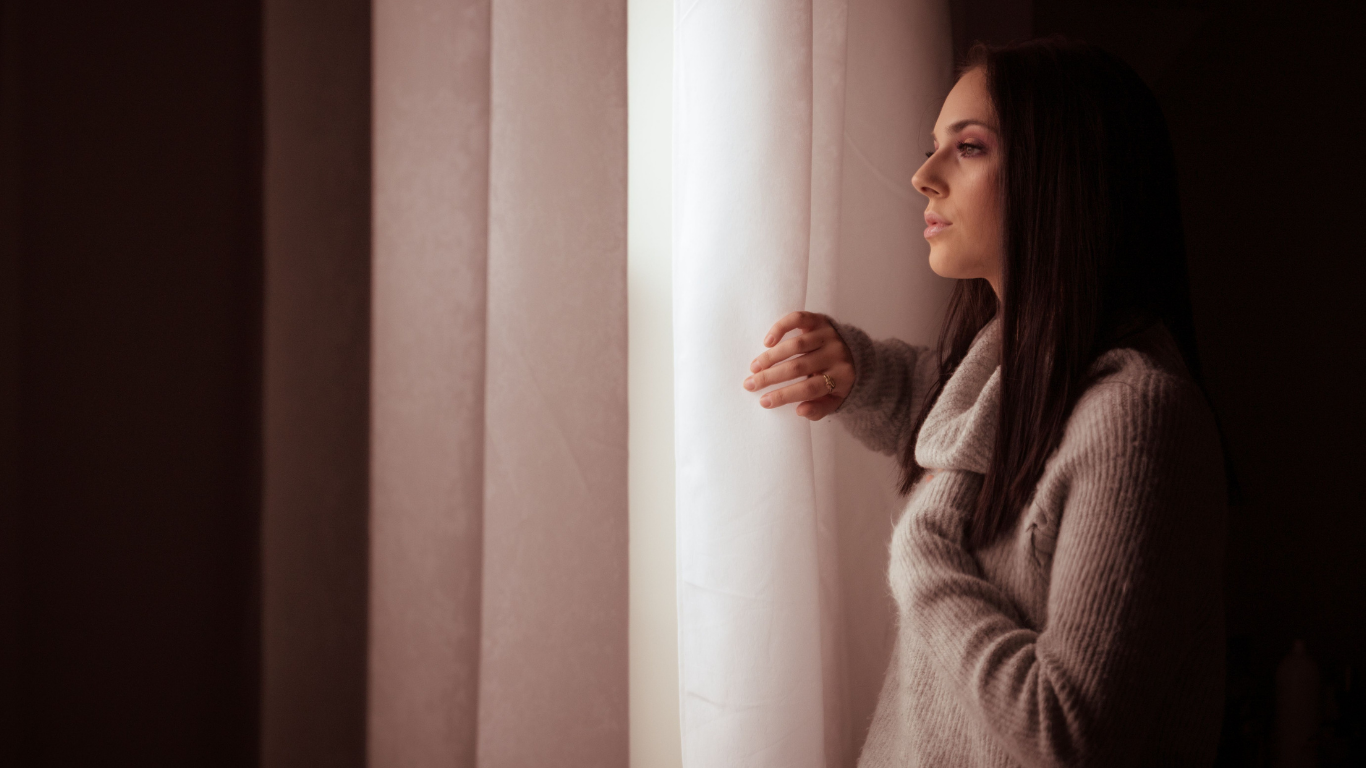


Some months, PMS feels manageable. You may notice a few cravings, some bloating, maybe a shorter fuse than usual, but you get through it.
Then there are the stressful months.
The months when work feels relentless. When you’re emotionally drained before the week has even started. When family pressures, financial worries, relationship tension, poor sleep, burnout, or mental overload seem to pile up all at once. Suddenly, the week before your period feels completely different.
You cry more easily. Small things feel enormous. Your body feels swollen, tense, exhausted, and uncomfortable. You snap at people you love, then feel guilty afterwards. Anxiety becomes louder. Your patience disappears. Even ordinary tasks can feel emotionally heavy.
Many women quietly wonder:
“Why does my PMS become unbearable when I’m stressed?”
You are not imagining it, and you are certainly not “too sensitive.”
Stress and PMS are deeply connected through hormones, the nervous system, inflammation, sleep, mood regulation, and emotional resilience. When your body is already carrying a heavy mental or physical load, the hormonal shifts that happen before your period can feel far more intense, affecting your mood and ability to handle stress.
It is also about what those hormones are interacting with: stress, emotional exhaustion, nervous system overload, poor sleep, trauma, burnout, anxiety, under-eating, overworking, caregiving, and the constant pressure to keep functioning no matter how depleted you feel. Prioritizing self-care can help you regain control and feel more supported.
Understanding this connection can be incredibly validating and foster empathy, helping you approach your symptoms with more compassion instead of blame.
Signs and Symptoms
a. Common Signs
PMS symptoms can look different from one woman to another. Some women notice mostly emotional symptoms, while others experience more physical discomfort or cognitive changes.
During stressful periods, symptoms often become stronger, longer-lasting, or more emotionally difficult to cope with.
Common emotional symptoms include:
- Irritability
- Anxiety
- Feeling emotionally overwhelmed
- Mood swings
- Tearfulness
- Feeling unusually sensitive
- Anger or frustration
- Low mood
- Feeling emotionally exhausted
- Difficulty coping with normal responsibilities
- Increased self-criticism
- Feeling disconnected or withdrawn
Some women describe it as feeling emotionally “raw,” as though their ability to tolerate stress suddenly disappears.
Physical symptoms may include:
- Bloating
- Breast tenderness
- Headaches or migraines
- Fatigue
- Muscle tension
- Body aches
- Digestive discomfort
- Food cravings
- Changes in appetite
- Sleep problems
- Acne flare-ups
- Increased pain sensitivity
Cognitive and behavioural symptoms can also appear, including:
- Brain fog
- Difficulty concentrating
- Forgetfulness
- Reduced motivation
- Social withdrawal
- Feeling mentally overstimulated
- Struggling with decision-making
- Increased conflict in relationships
For some women, stress can also worsen existing conditions like migraines, IBS, anxiety disorders, depression, ADHD symptoms, endometriosis pain, or PMDD (Premenstrual Dysphoric Disorder).
b. Why These Symptoms Happen
PMS symptoms happen because hormone levels naturally shift during the second half of the menstrual cycle, known as the luteal phase.
After ovulation, progesterone rises, while estrogen fluctuates. These hormonal changes influence neurotransmitters, especially serotonin, which affects mood, sleep, appetite, emotional regulation, and stress resilience.
At the same time, stressful experiences activate the body’s stress response system, including the hypothalamic-pituitary-adrenal (HPA) axis. This increases cortisol, the body’s main stress hormone.
When cortisol stays elevated for long periods, it can affect:
- Sleep quality
- Blood sugar regulation
- Mood stability
- Inflammation
- Nervous system sensitivity
- Hormonal balance
- Energy levels
- Emotional resilience
In simple terms, your body becomes less buffered against the hormonal shifts of PMS.
Instead of adapting smoothly, your nervous system may feel overstimulated, emotionally reactive, and physically depleted.
That is why stressful months often make PMS feel dramatically worse.
Hormonal and Psychological Context
i. Hormonal Changes
The menstrual cycle is closely connected to the brain, nervous system, metabolism, immune system, and emotional health.
During stressful months, several hormones and systems may interact in ways that intensify PMS symptoms.
ii. Estrogen
Estrogen helps support serotonin production and emotional wellbeing. It also affects cognition, sleep, and energy. When estrogen fluctuates sharply before a period, some women become more emotionally sensitive, especially if they are already under stress.
Low or fluctuating estrogen may contribute to:
- Mood swings
- Anxiety
- Low mood
- Sleep disruption
- Brain fog
- Fatigue
iii. Progesterone
Progesterone often has a calming effect on the nervous system by interacting with GABA receptors in the brain.
However, some women are particularly sensitive to progesterone fluctuations. During stress, the nervous system may respond less effectively to progesterone’s calming effects.
This can lead to:
- Irritability
- Restlessness
- Emotional reactivity
- Anxiety
- Sleep problems
iv. Cortisol
Cortisol is the body’s primary stress hormone.
In short bursts, cortisol is protective. However, chronic stress can dysregulate cortisol patterns, leaving women feeling emotionally overwhelmed and physically exhausted, which can intensify PMS symptoms.
High cortisol can affect:
- Blood sugar stability
- Inflammation
- Sleep
- Appetite
- Hormonal signalling
- Emotional regulation
Chronic stress may also increase the body’s sensitivity to pain and emotional distress.
v. Serotonin
Serotonin plays an important role in mood, emotional regulation, sleep, and appetite.
Hormonal fluctuations before menstruation can reduce serotonin activity in some women, especially those already vulnerable to anxiety or depression.
Stress itself can also lower serotonin function, creating a double effect.
vi. Insulin and Blood Sugar
Stress often disrupts eating patterns, sleep, and energy balance.
Blood sugar fluctuations can worsen:
- Cravings
- Fatigue
- Irritability
- Anxiety
- Mood swings
- Headaches
Skipping meals, overconsuming caffeine, emotional eating, or relying heavily on sugar during stressful periods may unintentionally intensify PMS symptoms.
Emotional and Mental Health Impact
One of the hardest parts of stress-related PMS is how emotionally isolating it can feel, especially when stress amplifies feelings of overwhelm and reactivity, making women feel misunderstood or alone.
Many women feel ashamed of how reactive or overwhelmed they become before their period. They may blame themselves for being “dramatic,” “irrational,” or “bad at coping.” In reality, there is often a very real biological and psychological explanation, which can help you feel validated and less alone.
In reality, there is often a very real biological and psychological explanation.
Stress reduces emotional bandwidth. When your nervous system is already overloaded, hormonal changes can feel magnified.
This can create a painful cycle:
- Stress increases PMS symptoms
- PMS symptoms increase emotional distress
- Emotional distress increases stress hormones
- Symptoms worsen further
Many women also continue functioning through enormous emotional labour during stressful periods:
- caregiving
- parenting
- shift work
- relationship pressures
- financial stress
- academic pressure
- workplace burnout
- grief
- trauma
- chronic illness
- sleep deprivation
Eventually, the body begins signalling that it needs rest, regulation, support, or recovery.
PMS can sometimes become the point where those accumulated pressures finally surface emotionally and physically.
That does not mean you are weak. It means you are human.
What the Science Says
Evidence-Based Insight
Research increasingly shows that stress and PMS are strongly linked. Studies suggest women experiencing higher levels of chronic stress are more likely to report:
- more severe PMS symptoms
- worse mood changes
- increased pain
- poorer sleep
- heightened emotional distress
Scientists believe this connection involves the interaction between reproductive hormones and the stress-response system.
The HPA axis, which controls cortisol production, communicates closely with the reproductive hormone system. Chronic stress may alter communication between the brain and the ovaries, potentially affecting ovulation, hormone sensitivity, and emotional regulation.
Research also suggests inflammation may play a role.
Stress can increase inflammatory markers in the body, while poor sleep, inadequate nutrition, alcohol excess, smoking, and sedentary behaviour may contribute further. Inflammation may influence pain sensitivity, fatigue, mood symptoms, and bloating.
Sleep deprivation appears especially important.
Even a few nights of poor sleep can increase emotional reactivity, anxiety, cravings, pain sensitivity, and cortisol levels. Many women notice their PMS becomes significantly worse during periods of insomnia or emotional burnout.
Mental health conditions can also affect PMS severity.
Women with anxiety disorders, depression, trauma histories, ADHD, eating disorders, or chronic stress exposure may experience greater premenstrual sensitivity due to differences in stress regulation and neurotransmitter activity.
There is also growing recognition of PMDD, a severe hormone-sensitive mood disorder affecting a smaller percentage of women. PMDD causes intense emotional and psychological symptoms that go far beyond typical PMS and should never be dismissed.
Importantly, researchers now understand that PMS is not “all in your head.” It reflects real interactions between hormones, brain chemistry, stress physiology, inflammation, sleep, and emotional health.
Emotional Reassurance
If your PMS feels worse during stressful months, there is nothing “wrong” with you. Your body is responding to pressure, exhaustion, hormonal shifts, and emotional overload, as human bodies often do.
Many women silently push themselves through stress without enough rest, support, nourishment, or recovery. Then, when PMS symptoms appear, they blame themselves instead of recognising how much they have been carrying.
You deserve compassion during those moments, not criticism.
It is also important to remember this:
Needing support does not mean you are failing.
Feeling emotionally sensitive before your period does not make you weak.
And struggling during overwhelming seasons of life does not mean you are incapable.
Your symptoms are real. Your experience matters. And you do not have to minimise your distress just because other people cannot see it.
Sometimes the most healing shift begins with understanding your body instead of fighting it.
Practical Next Steps
Lifestyle and Self-Care Support
You do not need a perfect wellness routine to support PMS symptoms. Small, realistic changes can genuinely help.
Prioritise Sleep
Sleep is one of the most powerful tools for regulating hormones and building emotional resilience.
Try to:
- keep consistent sleep and wake times
- reduce screen exposure before bed
- avoid excessive caffeine late in the day
- create a calming nighttime routine
- protect rest during high-stress periods where possible
Even slight improvements in sleep may reduce emotional reactivity and fatigue.
Support Blood Sugar Stability
Eating regularly can help stabilise mood and energy.
Helpful strategies include:
- including protein with meals
- avoiding long gaps without eating
- staying hydrated
- limiting excessive alcohol
- reducing highly processed sugary foods if they worsen symptoms
This is not about perfection or restriction. It is about helping your nervous system feel more stable.
Reduce Nervous System Overload
Your body may need more regulation, not more pressure.
Gentle support may include:
- deep breathing
- stretching
- walking
- yoga
- mindfulness
- journaling
- quiet rest
- time outdoors
- reducing overstimulation
- limiting emotionally draining commitments
Sometimes, nervous system support is less about adding more tasks and more about removing unnecessary stress.
Track Your Symptoms
Cycle tracking can help you notice patterns between stress and PMS symptoms.
You may begin recognising:
- certain emotional triggers
- sleep-related symptom changes
- stress-sensitive days
- recurring symptom patterns
This awareness can reduce self-blame and improve self-understanding.
Build Emotional Support
Stress often feels heavier in isolation.
Talking to:
- trusted friends
- supportive family
- a therapist
- a support group
- a healthcare professional
can reduce emotional burden significantly.
You are not meant to carry everything alone.
Professional Support Options
If PMS symptoms are becoming difficult to manage, professional support may help.
Options may include:
- GP assessment
- Hormonal evaluation
- Mental health support
- Cognitive behavioural therapy (CBT)
- Nutritional counselling
- Medication support
- Hormonal contraception
- SSRIs for severe PMS or PMDD
- Sleep support
- Pelvic health assessment
- Stress management therapy
A healthcare professional can also help rule out conditions that may mimic or worsen PMS, including:
- thyroid disorders
- iron deficiency
- perimenopause
- PMDD
- anxiety disorders
- depression
- endometriosis
Seeking help is not overreacting. It is healthcare.
When to Seek Medical Help
Red Flag Symptoms
Some symptoms should not be ignored.
Please seek medical advice if you experience:
- severe depression before periods
- suicidal thoughts
- panic attacks
- extreme mood swings
- fainting
- chest pain
- severe headaches or neurological symptoms
- heavy bleeding
- severe pelvic pain
- symptoms interfering significantly with work or relationships
- sudden worsening of PMS symptoms
- inability to function normally
- persistent insomnia
- thoughts of self-harm
If symptoms feel frightening, overwhelming, or unmanageable, you deserve proper support and assessment.
Frequently Asked Questions
i. Can stress really make PMS worse?
Yes. Chronic stress can affect cortisol, sleep, inflammation, mood regulation, and nervous system sensitivity, all of which may intensify PMS symptoms.
ii. Why do I feel more emotional before my period during stressful times?
Hormonal fluctuations before menstruation can increase emotional sensitivity. When combined with emotional overload or burnout, emotions may feel much harder to regulate.
Can poor sleep worsen PMS?
Absolutely. Poor sleep affects cortisol, serotonin, emotional resilience, cravings, and pain sensitivity, which can worsen both emotional and physical PMS symptoms.
Is severe PMS normal?
Severe symptoms should not simply be dismissed as “normal.” Conditions like PMDD, anxiety, depression, thyroid disorders, or perimenopause may require professional support.
Can anxiety get worse before a period?
Yes. Many women experience increased anxiety during the luteal phase due to hormonal fluctuations affecting neurotransmitters and stress-response systems.
Does cortisol affect hormones?
Yes. Chronic cortisol elevation can influence reproductive hormones, ovulation, sleep, metabolism, and emotional regulation.
What helps PMS naturally?
Helpful strategies may include better sleep, regular meals, stress reduction, exercise, hydration, symptom tracking, emotional support, and professional care where needed.
Can burnout affect menstrual symptoms?
Yes. Burnout places significant stress on the nervous system and hormonal systems, which may worsen fatigue, emotional symptoms, and physical PMS discomfort.
Supportive Conclusion
If your PMS feels worse during stressful months, your body may be asking for care, rest, support, and understanding not criticism.
Hormones do not exist in isolation. They respond to your sleep, stress levels, emotional wellbeing, workload, nervous system health, relationships, nutrition, and life experiences. That means difficult months can genuinely change how PMS feels in your body and mind.
You do not need to “push through” severe symptoms in silence.
You deserve support, compassion, and healthcare that takes your experience seriously. Most importantly, try to speak to yourself gently during these difficult phases. Your body is not betraying you. It is communicating with you. And even if things feel overwhelming right now, you are not alone.