Introduction
For many women, microdosing exercise during perimenopause feels surprisingly more manageable than the intense fitness routines they used to tolerate in their 20s or 30s. If workouts suddenly leave you exhausted for days, trigger headaches, worsen sleep, increase anxiety, or make your body feel inflamed instead of energised, you are not imagining it.
Across women’s health forums, menopause clinics, Reddit discussions, and research conversations, more midlife women are asking the same question:
Why does exercise suddenly feel harder during perimenopause?
The answer is complex, but increasingly understood. During perimenopause, fluctuating hormones can affect recovery, stress response, sleep quality, body temperature regulation, insulin sensitivity, inflammation, and muscle repair. For some women, long or high-intensity workouts may temporarily increase the body’s stress load rather than improve resilience.
That does not mean movement is bad for you. In fact, movement remains one of the most evidence-supported tools for protecting cardiovascular health, bone density, mood, cognition, and metabolic health during midlife. The difference is that many women benefit from changing how they exercise rather than abandoning exercise altogether.
This is where the idea of microdosing exercise during perimenopause has gained attention.
Rather than pushing through long, exhausting workouts, microdosing movement involves shorter, lower-stress bursts of activity spread throughout the day. Think:
- 5–15 minute strength sessions
- Short walks after meals
- Gentle mobility routines
- Brief resistance training blocks
- “Movement snacks” instead of marathon sessions
For some women, this approach improves consistency, reduces recovery crashes, and feels more sustainable physically and emotionally.
According to the NHS menopause guidance, regular physical activity supports both physical and mental health during menopause transition. The key is finding an approach that your body can recover from consistently.
Hormonal Fluctuations Can Change Exercise Tolerance
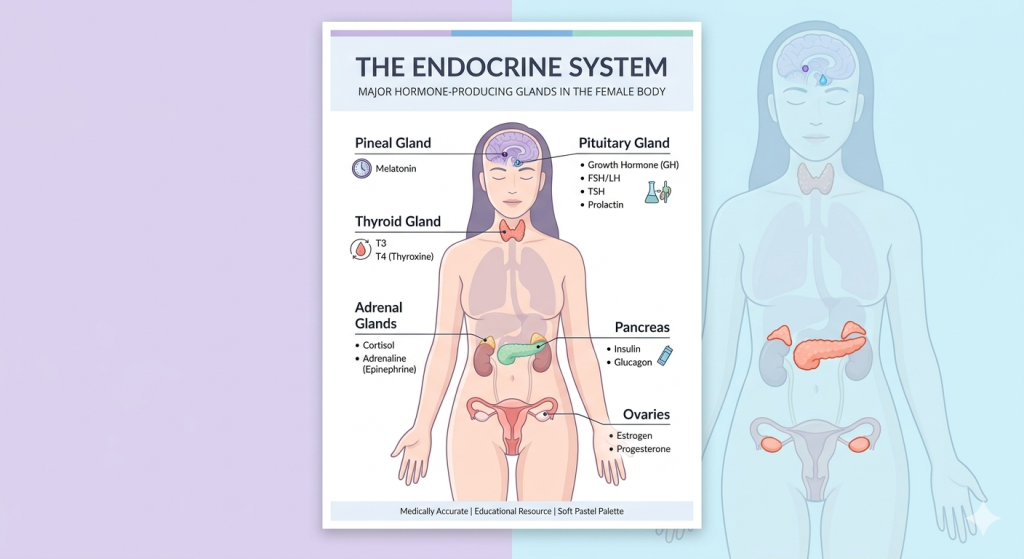
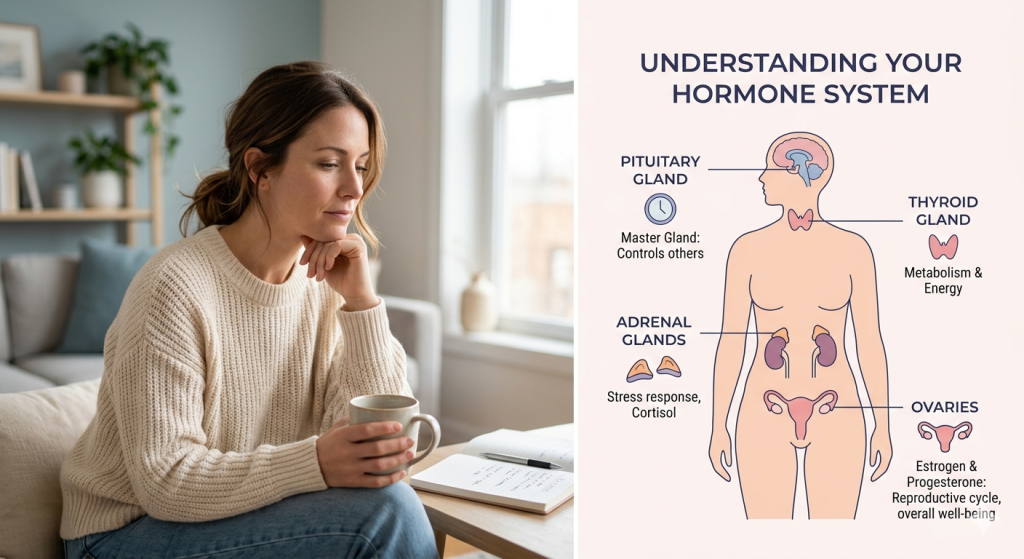
Perimenopause is the transitional stage before menopause, when hormones like oestrogen and progesterone fluctuate unpredictably.
Oestrogen affects:
- Muscle recovery
- Glucose regulation
- Inflammation
- Brain function
- Joint health
- Blood vessel function
When oestrogen fluctuates or declines, some women notice:
- Slower recovery
- Increased soreness
- Fatigue after exercise
- Sleep disruption
- Higher perceived exertion
Progesterone changes may also affect nervous system regulation and stress sensitivity.
This means a workout routine that once felt energising may suddenly feel excessively taxing.
The British Menopause Society notes that women in perimenopause often experience significant shifts in sleep, mood, and energy, all of which influence exercise capacity and recovery.
Perimenopause Symptom Tracker Quiz
Cortisol Load and the “Overstressed Body” Conversation
One of the biggest trending discussions around microdosing exercise during perimenopause involves cortisol.
Cortisol is the body’s primary stress hormone. It is not “bad.” We need cortisol for energy regulation, immune function, blood pressure control, and survival.
However, chronic stress combined with:
- poor sleep
- caregiving stress
- under-fuelling
- intense exercise
- work pressure
- hormonal fluctuation
may increase overall physiological stress load.
Some women report that excessive high-intensity training during perimenopause worsens:
- insomnia
- palpitations
- anxiety
- hot flushes
- fatigue
- injury risk
Research between 2024 and 2026 increasingly focuses on recovery capacity rather than exercise intensity alone.
Microdosing exercise during perimenopause may help reduce the “all-or-nothing” cycle many women experience with fitness.
Short Movement Sessions Still Improve Health
A growing body of research shows that the benefits of exercise do not require hour-long workouts.
The World Health Organisation’s physical activity guidance supports accumulated movement across the day, including shorter activity sessions.
Even brief activity may support:
- insulin sensitivity
- cardiovascular health
- blood sugar regulation
- muscle preservation
- mood
- cognitive function
Examples of microdosed movement include:
- 10-minute brisk walks
- 5-minute resistance bands sessions
- stair climbing
- mobility exercises
- mini strength circuits
- gentle yoga flows
For women struggling with exercise intolerance, consistency often matters more than intensity.
Strength Training Still Matters in Midlife
Importantly, microdosing exercise during perimenopause does not mean avoiding strength training.
Muscle mass naturally declines with age, especially after menopause. Resistance training supports:
- bone density
- metabolism
- insulin sensitivity
- balance
- functional mobility
The difference is that many women benefit from:
- shorter sessions
- more recovery days
- lower training volume
- slower progression
- improved fuelling
The American College of Obstetricians and Gynaecologists (ACOG) continues to recommend regular strength and aerobic activity during midlife for long-term health protection.
Symptoms, Diagnosis & Barriers
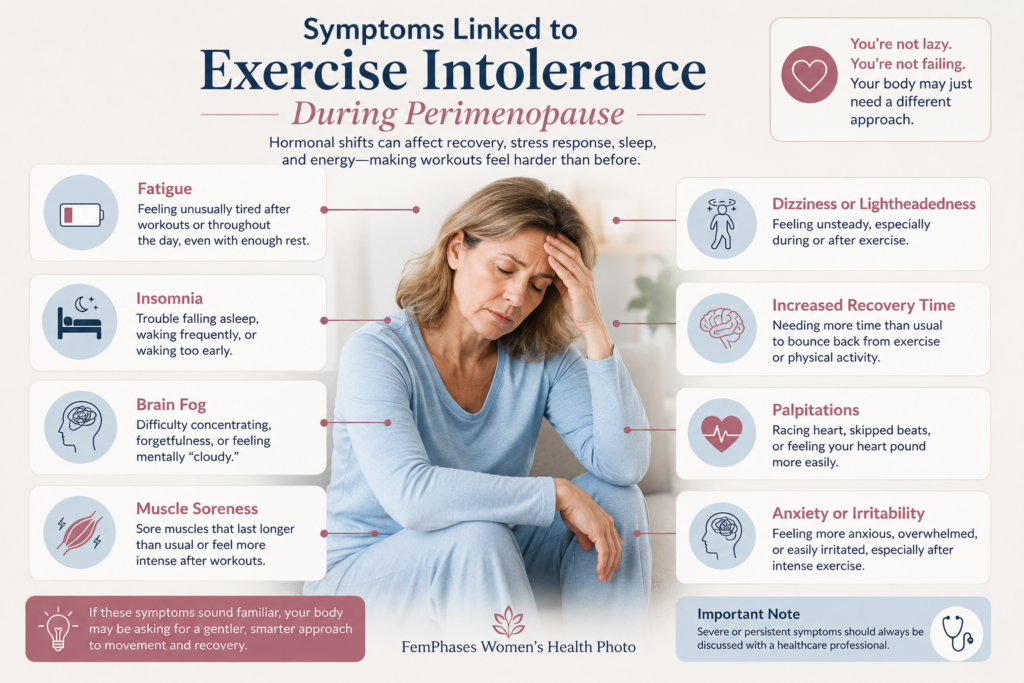
i. Signs Your Body May Need a Different Exercise Approach
Signs sometimes associated with excessive exercise stress during perimenopause include:
- Extreme fatigue after workouts
- Delayed recovery lasting several days
- Worsening insomnia
- Increased anxiety or irritability
- Frequent injuries
- Dizziness or palpitations
- Persistent muscle soreness
- Exercise dread
- Elevated resting heart rate
- Hot flushes triggered by intense exercise
- Brain fog after training
These symptoms do not automatically mean exercise is harmful. They may signal:
- inadequate recovery
- low iron
- under-fuelling
- thyroid dysfunction
- poor sleep
- perimenopausal hormone changes
- overtraining
- underlying medical conditions
ii. Iron Deficiency and Midlife Fatigue Matter
Women in perimenopause may also experience heavier or irregular periods, increasing the risk of iron deficiency.
Low iron can contribute to:
- breathlessness
- dizziness
- fatigue
- poor exercise tolerance
- heart palpitations
- weakness
- brain fog
If symptoms feel extreme or new, it is important to seek appropriate assessment rather than assuming they are “just ageing.”
Blood tests may include:
- ferritin
- full blood count
- thyroid function
- B12
- vitamin D
- glucose testing
iii. Many Women Feel Dismissed
A major barrier is that women are often told to “push through.”
But more clinicians are recognising that sustainable movement matters more than punishing exercise routines.
Exercise adaptation during perimenopause is not a failure. It is physiology.

Solutions & Support
i. What Microdosing Exercise Can Look Like
A sustainable weekly plan may include:
- 10-minute morning mobility
- Two short strength sessions
- Walking after meals
- Gentle cycling
- Pilates or yoga
- Rest days without guilt
- Stretch breaks during work
For some women, multiple short sessions feel significantly better than one long, draining workout.
ii. Recovery Becomes Part of the Plan
Recovery is not laziness. Recovery is part of training.
Supportive recovery habits may include:
- adequate protein intake
- hydration
- sleep support
- stress reduction
- blood sugar stability
- pacing intense workouts
- avoiding excessive under-eating
The nervous system often responds better to consistency than extremes.
iii. Nutrition Supports Hormone and Muscle Health
Women in perimenopause may benefit from focusing on:
- protein with meals
- fibre-rich foods
- iron-rich foods
- omega-3 fats
- calcium and vitamin D
- stable blood sugar patterns
Undereating while exercising intensely may worsen fatigue and recovery problems.
iv. Medical Support Matters Too
If symptoms are severe, clinicians may discuss:
- iron treatment
- assessment for anaemia
- thyroid evaluation
- perimenopause management
- HRT discussions
- sleep support
- cardiovascular assessment if needed
According to NICE menopause guidance, menopause care should consider the whole person, including physical and psychological well-being.
Conclusion
The conversation around microdosing exercise during perimenopause reflects something many women have quietly experienced for years: the body changes, and the old “push harder” fitness model does not always work anymore.
That does not mean women should stop moving. It means movement may need to become:
- more flexible
- more restorative
- more sustainable
- more hormone-aware
Shorter workouts are not “less valid.” Gentle movement is not weakness. Recovery is not failure.
For many women, the healthiest routine is the one the body can tolerate consistently without creating exhaustion, dread, or burnout.
The FemPhases Takeaway
Small, sustainable movement still counts.
If intense workouts suddenly leave you exhausted, overwhelmed, or unable to recover, your body may be asking for a different approach, not less care.
Start with:
- Shorter sessions
- Gentle strength work
- Walking after meals
- Better recovery habits
- Symptom tracking
- Medical evaluation if symptoms feel extreme
The goal is not punishment. The goal is long-term resilience, mobility, energy, and health.
Frequently Asked Questions
Is microdosing exercise during perimenopause effective?
Yes. Short bouts of movement can still support cardiovascular health, muscle maintenance, blood sugar regulation, and mental well-being.
Why do intense workouts suddenly feel harder during perimenopause?
Hormonal fluctuations, sleep disruption, stress load, iron deficiency, and slower recovery may all contribute.
Should I stop high-intensity workouts completely?
Not necessarily. Some women still tolerate them well. Others benefit from reducing frequency, duration, or intensity.
Can walking really help during perimenopause?
Yes. Walking supports cardiovascular health, stress reduction, insulin sensitivity, mood, and recovery.
Does strength training still matter in perimenopause?
Absolutely. Resistance training supports bone density, muscle preservation, metabolism, and functional health.
When should I ask for blood tests?
If you experience severe fatigue, dizziness, breathlessness, heavy periods, palpitations, or worsening exercise intolerance, it is reasonable to discuss blood tests with a healthcare professional.
Is exercise intolerance normal during perimenopause?
Some women notice changes in recovery and tolerance, but severe symptoms should still be medically assessed to rule out other causes.
Medical Disclaimer
This article is for educational purposes only and does not replace personalised medical advice, diagnosis, or treatment. If you are worried about your symptoms, if your symptoms are getting worse, or if something does not feel right in your body, please speak with your doctor, nurse practitioner, gynaecologist, endocrinologist, or another qualified healthcare professional. Seek urgent medical help for severe, sudden, or concerning symptoms.