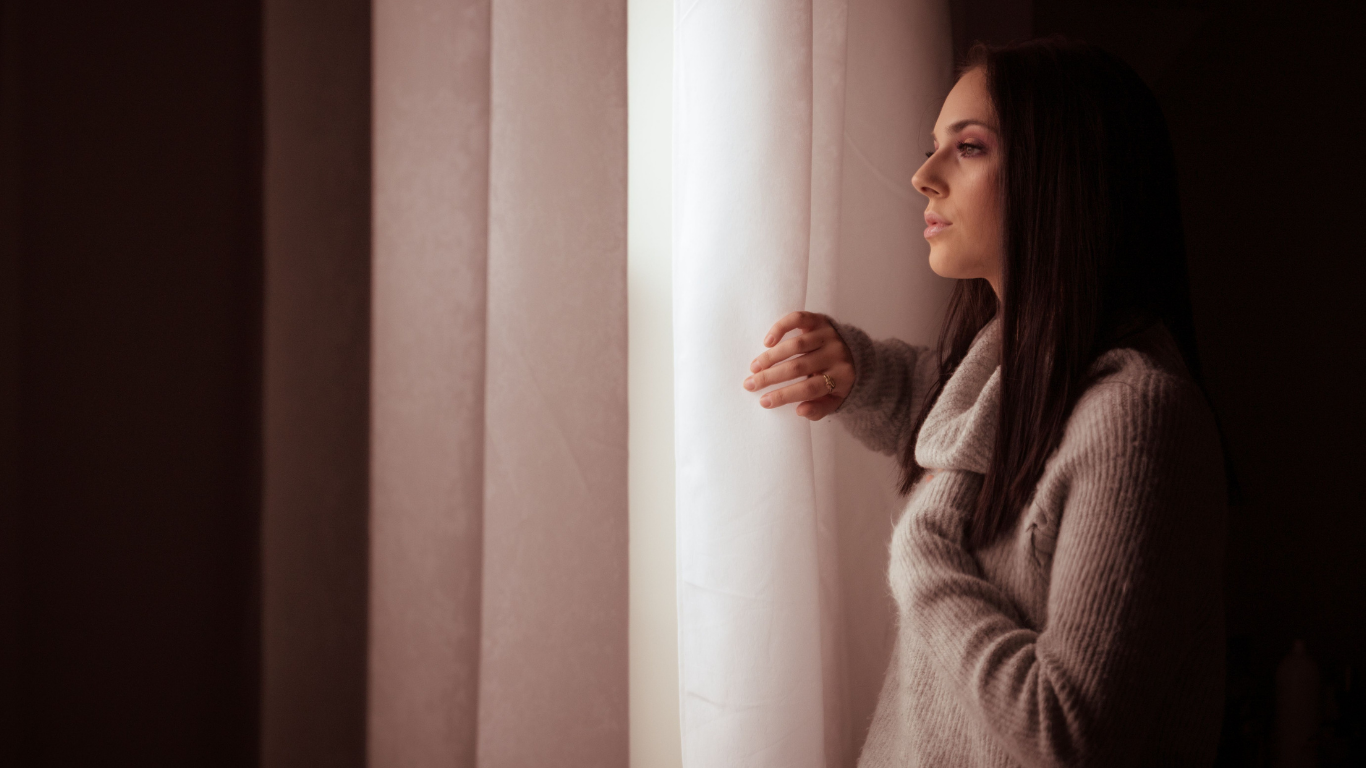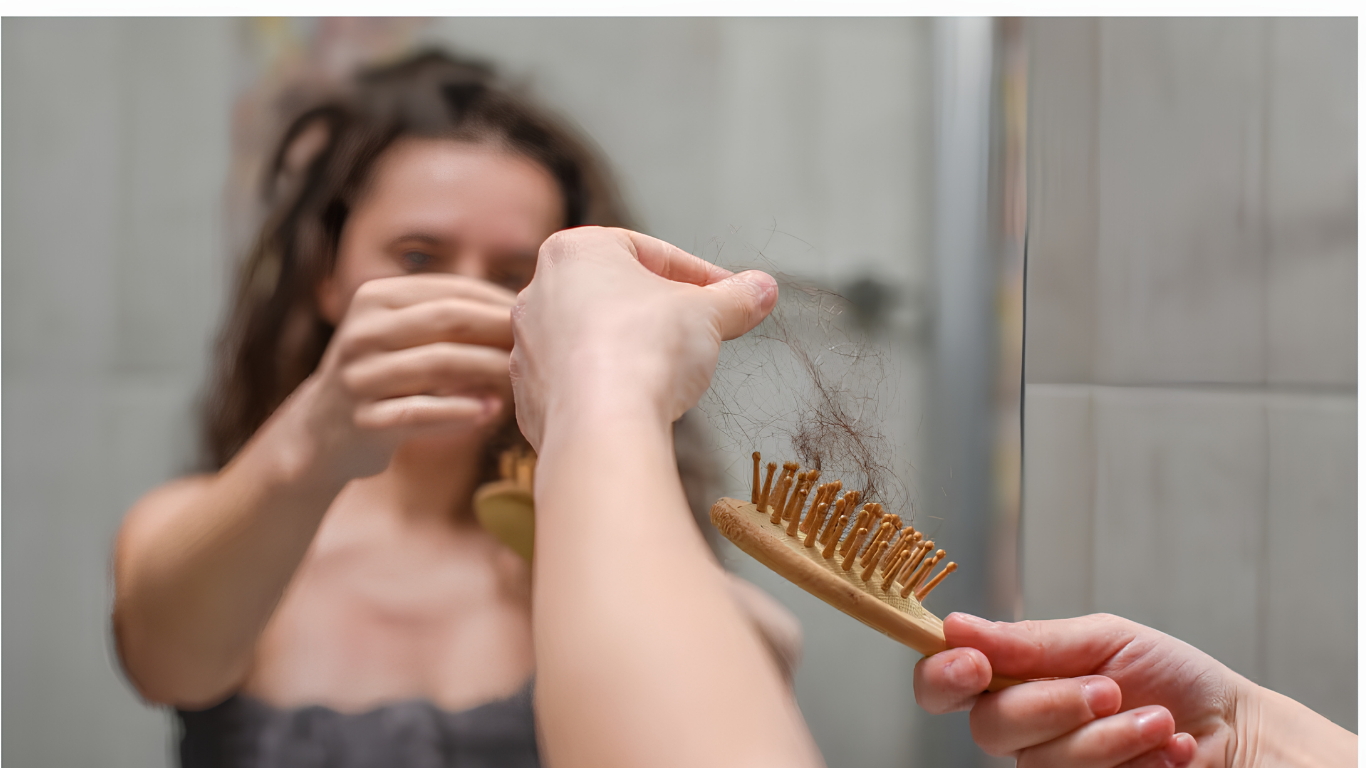


You wake up already tired.
Before your feet even touch the floor, your mind is running through emails, school runs, deadlines, forgotten laundry, appointments, bills, symptoms, and the strange sense that your body no longer feels like your own. By mid-afternoon, your heart feels fluttery, your patience is thinner than usual, and your shoulders have crept up around your ears without you noticing.
Many women have lived in this state for years.
And often, they blame themselves for it.
But chronic stress is not simply “being bad at coping.” It is a real physiological experience that affects hormones, sleep, mood, appetite, energy, memory, and even physical symptoms during perimenopause and menopause. The good news is that simple daily habits that help reduce stress hormones can genuinely support your nervous system over time — not by making life perfect, but by helping your body feel safer and more regulated.
You do not need a complete life overhaul. You do not need to meditate for an hour at sunrise or become a different person overnight.
Sometimes the most effective changes are surprisingly small, gentle, and sustainable.
What Are Stress Hormones, Exactly?
When people talk about “stress hormones,” they usually mean cortisol and adrenaline.
These hormones are not bad. In fact, they are essential for survival.
Your body releases cortisol to help you wake up, respond to challenges, regulate inflammation, and maintain energy. Problems tend to occur when stress becomes chronic, and your nervous system rarely receives the signal that it is safe to settle fully.
Over time, prolonged stress can contribute to symptoms such as:
- Poor sleep
- Anxiety or irritability
- Brain fog
- Fatigue
- Sugar cravings
- Increased abdominal weight
- Digestive issues
- Headaches
- Muscle tension
- Feeling emotionally “wired but exhausted”
For women in perimenopause and menopause, fluctuating oestrogen and progesterone can also make the nervous system feel more sensitive to stress. Many women notice that they suddenly feel less resilient than they used to — and that experience is incredibly common.
According to the NHS, long-term stress can affect both physical and mental health, including sleep, immunity, mood, and heart health.

Why Small Habits Matter More Than Extreme Fixes
One of the biggest myths around stress management is that you need dramatic routines to feel better.
In reality, the nervous system responds best to consistency, predictability, and repetition.
That means simple daily habits that help reduce stress hormones are often more effective than occasional “wellness resets” that are impossible to maintain in real life.
Your body is constantly scanning for cues of danger or safety. Tiny daily experiences — eating regularly, sleeping consistently, moving gently, feeling emotionally supported — quietly influence those signals.
This is especially important for women who have spent years in survival mode.
1. Eat Regularly — Especially in the Morning
Many women unintentionally go long periods without eating, especially when life is busy.
Coffee becomes breakfast. Lunch gets delayed. Dinner happens late.
But irregular eating can place additional stress on the body, particularly if blood sugar levels fluctuate dramatically throughout the day. When blood sugar drops too low, cortisol rises to help compensate.
That can leave you feeling shaky, anxious, irritable, dizzy, or suddenly exhausted.
A balanced breakfast does not need to be elaborate. Even simple combinations can help support steadier energy:
- Eggs on toast
- Greek yoghurt with nuts and berries
- Porridge with seeds
- Peanut butter on wholegrain toast
- Protein smoothie with fruit
Women often feel guilty for needing regular nourishment, especially if diet culture has taught them to ignore hunger. But eating consistently is not a weakness. It is biological care.
The Office on Women’s Health explains that chronic stress can affect eating patterns, sleep, digestion, and hormone regulation.
2. Stop Treating Rest Like a Reward
Many women only allow themselves to rest once everything is done.
The problem is: everything is never done.
Rest is not laziness. It is a biological need.
When the nervous system remains activated for too long, the body can struggle to recover fully. This is why exhaustion often feels deeper than simply “being tired.”
One of the most powerful, simple daily habits that helps reduce stress hormones is intentionally building small moments of rest into the ordinary course of life.
That might look like:
- Sitting quietly in the car for five minutes before going inside
- Taking a proper lunch break away from screens
- Saying no to one unnecessary commitment
- Lying down earlier instead of pushing through exhaustion
- Reading instead of doom-scrolling before bed
These moments may seem small, but they tell the nervous system: you are allowed to pause now.
3. Get Morning Light Exposure
This habit sounds almost too simple to matter, but it genuinely helps regulate the body’s stress response.
Morning sunlight helps support the circadian rhythm — the internal body clock that influences cortisol, melatonin, sleep, mood, and energy.
Even 10–20 minutes of morning daylight exposure can help the brain recognise when it is time to feel alert and when to wind down later.
You do not need perfect weather or a complicated routine.
Try:
- Drinking tea outside
- Walking around the block
- Opening curtains immediately after waking
- Standing near natural light while getting ready
The body often responds better to gentle consistency than intensity.
4. Move Your Body in a Way That Feels Supportive, Not Punishing
Exercise can absolutely help regulate stress hormones — but there is an important nuance many women are not told.
More is not always better.
Intense exercise may temporarily increase cortisol, especially if you are already depleted, under-eating, sleep-deprived, or navigating hormonal changes.
That does not mean exercise is harmful. It means your body may need a different type of movement during stressful seasons.
Supportive movement can include:
- Walking
- Stretching
- Strength training
- Swimming
- Dancing
- Yoga
- Gardening
- Gentle cycling
The goal is not punishment. It is a regulation.
The World Health Organisation (WHO) highlights that regular physical activity supports mental well-being, sleep quality, stress management, and overall health.
5. Reduce “Invisible Stress Load” Where You Can
Not all stress is dramatic.
Some stress is the constant mental background noise of having to remember everything for everyone.
The forms.
The birthdays.
The emotional labour.
The planning.
The worrying.
The invisible management of daily life.
Women often carry a relentless cognitive load that rarely gets acknowledged.
One surprisingly effective strategy is reducing tiny daily friction points.
For example:
- Writing things down instead of mentally storing them
- Setting phone reminders
- Meal repeating during busy weeks
- Simplifying decisions
- Delegating where possible
- Unsubscribing from overwhelming notifications
Sometimes reducing stress hormones is less about adding self-care and more about removing unnecessary strain.
6. Prioritise Sleep Without Chasing Perfection
Sleep and cortisol are deeply connected.
Poor sleep can increase stress hormones, while elevated cortisol can make it harder to sleep. Many women find themselves stuck in this exhausting cycle.
Perimenopause can make this even more complicated due to night sweats, anxiety, palpitations, or waking at 3 am with a racing mind.
You do not need perfect sleep hygiene. But small improvements matter.
Helpful habits include:
- Keeping a relatively consistent sleep time
- Reducing bright screens before bed
- Limiting late caffeine
- Keeping the bedroom cooler
- Avoiding emotionally activating content late at night
- Using calming bedtime rituals
Most importantly, try not to panic about occasional bad sleep.
An anxious relationship with sleep can become stressful in its own right.
The British Menopause Society notes that hormonal changes during menopause commonly affect sleep quality and emotional well-being.
7. Breathe More Slowly Than You Think You Need To
When stress levels rise, breathing often becomes shallow and rapid without us noticing.
Slow breathing can help signal safety to the nervous system.
You do not need complicated breathwork routines.
Even this can help:
- Inhale gently for 4 seconds
- Exhale slowly for 6 seconds
- Repeat for 1–2 minutes
Longer exhalations can support the parasympathetic nervous system — sometimes called the “rest and digest” response.
This is one of the easiest, simple daily habits that help reduce stress hormones because it can happen almost anywhere:
- In traffic
- Before meetings
- In the bathroom at work
- While lying awake at night
- During moments of overwhelm
8. Stop Consuming Stress Constantly
Many women wake up and immediately absorb alarming information before their nervous system has even fully settled into the day.
News alerts.
Social media.
Emails.
Messages.
Arguments online.
Health anxiety spirals.
Your brain does not always distinguish well between direct danger and constant exposure to emotionally activating information.
This does not mean ignoring reality. It means recognising your nervous system has limits.
Consider:
- Delaying social media first thing in the morning
- Turning off non-essential notifications
- Following fewer triggering accounts
- Taking short breaks from doom-scrolling
- Protecting quiet moments during the day
Mental overload is still overload.
Myth Clarification: “If I’m Stressed, My Body Must Be Damaged”
This fear is incredibly common — especially online.
Chronic stress can affect health, yes. But the body is also remarkably adaptive and responsive to support.
You are not permanently broken because you have been overwhelmed.
The nervous system can change.
Sleep can improve.
Symptoms can become more manageable.
Stress responses can soften over time.
Progress is rarely instant or linear, but small repeated habits genuinely matter.
When Stress Symptoms Might Need Medical Support
Sometimes stress-like symptoms overlap with other health conditions.
It is important not to dismiss everything as “just stress,” especially if symptoms are persistent, worsening, or severe.
Speak with a healthcare professional if you experience:
- Chest pain
- Severe palpitations
- Sudden weight changes
- Fainting
- Heavy bleeding
- Significant mood changes
- Persistent insomnia
- Panic attacks
- Debilitating fatigue
- Symptoms interfering with daily life
Conditions such as thyroid disorders, anxiety disorders, depression, perimenopause, iron deficiency, sleep disorders, and hormonal conditions can sometimes mimic or worsen stress symptoms.
The Royal College of Obstetricians and Gynaecologists (RCOG) provides evidence-based information on menopause, symptoms, and treatment options.

Practical Takeaways
If you feel overwhelmed, start smaller than you think you need to.
Choose one or two habits first.
For example:
- Eat breakfast consistently for one week
- Go outside for morning light
- Put your phone away 30 minutes before bed
- Take one slow breathing pause daily
- Replace one exhausting expectation with something simpler
Healing the stress response is rarely about becoming perfectly calm.
It is usually about helping your body feel slightly safer, slightly more supported, and slightly less overloaded over time.
And honestly? That matters more than perfection ever will.
Conclusion
There is a quiet kind of exhaustion many women carry that does not always look dramatic from the outside.
You can still be functioning.
Still caring for everyone else.
Still going to work.
Still answering messages.
Still getting through the day.
And still be deeply overwhelmed.
That does not mean you are failing.
Stress hormones are part of being human, but chronic overload can make the body feel tense, reactive, emotional, foggy, and depleted. The encouraging reality is that simple daily habits that help reduce stress hormones really can support the nervous system in meaningful ways over time.
Not because they magically erase stress.
But because they gently remind your body that it does not have to stay in survival mode forever.
Sometimes healing starts with something as small as eating breakfast, stepping outside for morning light, breathing more slowly, or finally allowing yourself to rest before you have “earned” it.
Those things count.
More than most women realise.
Medical Disclaimer
This article is for educational purposes only and does not replace personalised medical advice, diagnosis, or treatment. If you are worried about your symptoms, if your symptoms are getting worse, or if something does not feel right in your body, please speak with your doctor, nurse practitioner, gynaecologist, endocrinologist, or another qualified healthcare professional. Seek urgent medical help for severe, sudden, or concerning symptoms.