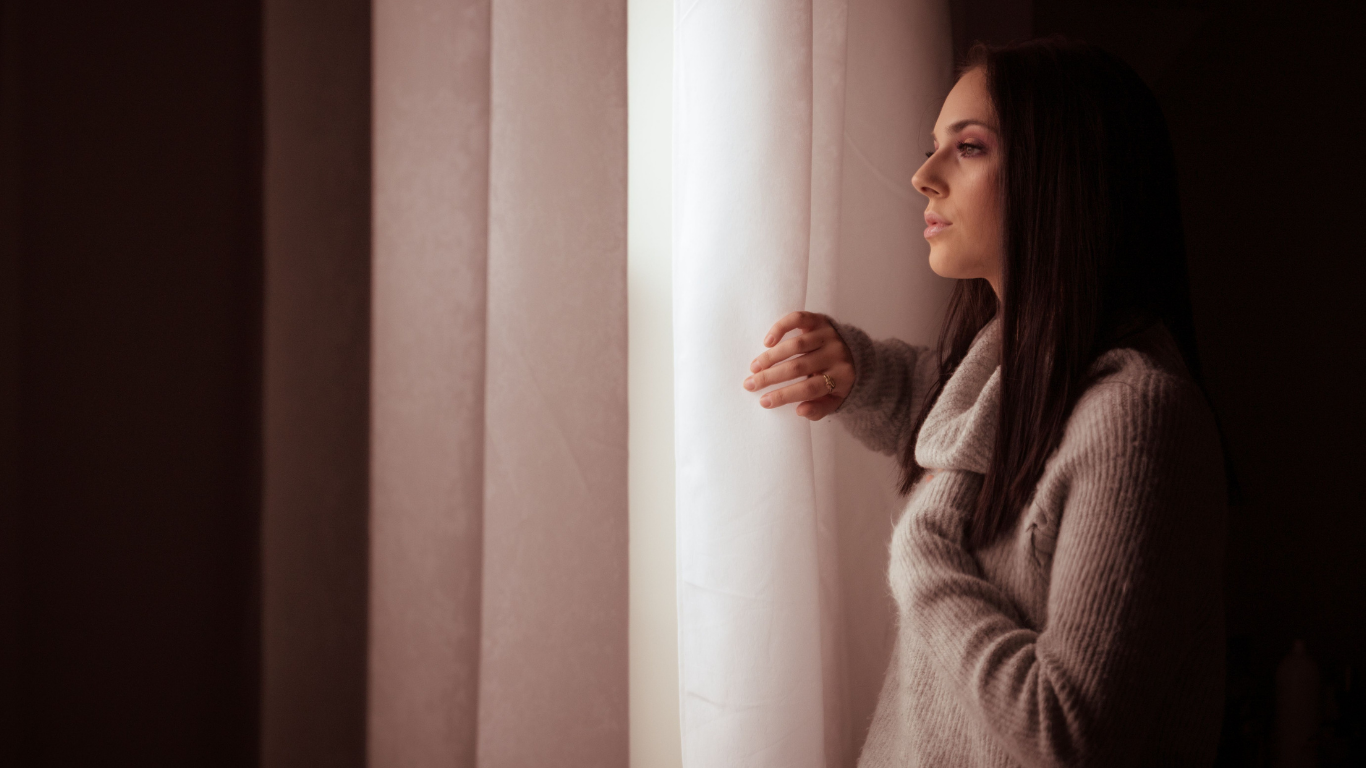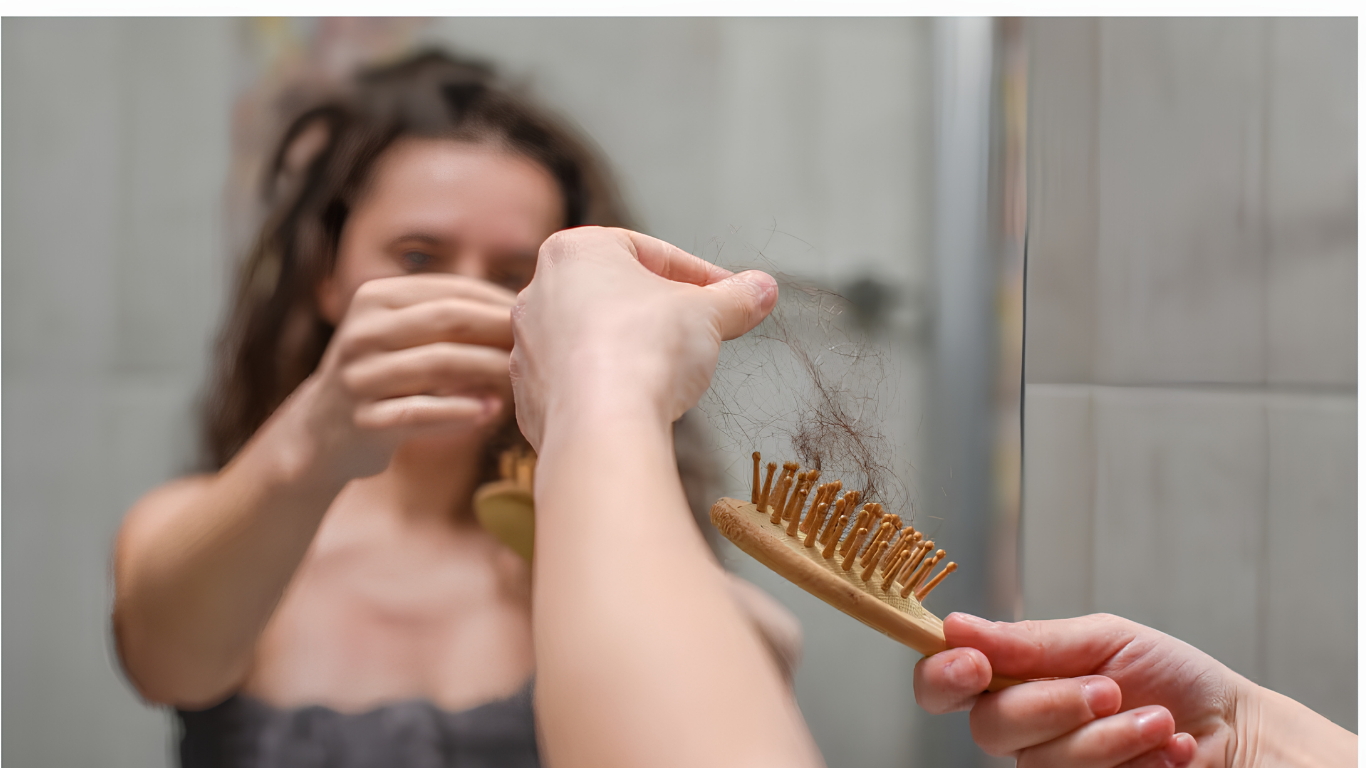


Yes, stress can show up physically as well as emotionally. Poor sleep, headaches, muscle tension, stomach problems, racing thoughts and difficulty concentrating can all occur, but persistent or unusual symptoms still deserve proper medical assessment.
When “I’m Just Busy” Becomes Something More
Stress does not always look like falling apart.
Sometimes it looks like walking into a room and forgetting why you are there. Waking at 3 a.m. thinking about work, your children, ageing parents, money or the conversation you wish had gone differently.
Then morning arrives, and you carry on.
You answer emails. Remember appointments. Make decisions. Look after people. Perhaps nobody looking at you would realise how stretched you feel.
The NHS recognises that stress can affect the body, thoughts, emotions and behaviour. Symptoms can include headaches, dizziness, muscle tension, stomach problems, a faster heartbeat, difficulty concentrating, feeling overwhelmed and changes in sleep. (nhs.uk)
That does not mean stress is automatically responsible for every headache, palpitation or exhausted day. It means sustained pressure can be part of the picture and deserves attention alongside other possible explanations.
Read more: NHS: Get help with stress
What Stress Can Look Like in Everyday Life
The difficult part is that many women remain highly functional while feeling increasingly overwhelmed.
Perhaps you have started rereading simple emails because your concentration disappears halfway through. You lose patience more quickly at home, then feel guilty about it.
You are tired all day but cannot switch off at night.
Your jaw is permanently tight. Your shoulders ache. Your stomach becomes unsettled before difficult meetings. You reach the weekend expecting to recover but spend most of it catching up on everything you did not manage during the week.
Then there is the mental load: not just doing things, but remembering that they need doing.
Appointments. School forms. Birthdays. Medication. Meals. Family problems. Work deadlines. Who needs calling. Who is upset. What is running out.
No single task seems enormous. Together, they can create a life in which your brain rarely gets an “off” signal.
Stress, sleep and perimenopause can overlap
Midlife can make the picture harder to untangle.
Perimenopause itself can involve poor sleep, anxiety, mood changes, brain fog, palpitations and problems with memory or concentration. (nhs.uk)
Stress can produce some very similar experiences.
So if you are 43, sleeping badly, forgetting words and suddenly feeling emotionally reactive, the answer may not be simply “stress” or simply “hormones”. Several things can be happening at once.
That distinction matters because symptoms deserve to be understood rather than casually labelled.
For more information: NHS: Menopause and perimenopause symptoms
What May Help When Life Feels Too Full
The solution to overload is rarely another demanding self-care routine.
You may not need a 5 a.m. meditation practice, a colour-coded planner and twelve new wellness habits. You may need fewer demands, better recovery and more support.
Start with the pressure, not just the symptom
Ask yourself:
- What is taking the most from me right now?
- What am I carrying because nobody else has picked it up?
- Which responsibilities genuinely belong to me?
- What becomes worse when I am tired?
- Where could I accept help rather than automatically saying, “I’m fine”?
Sometimes the most useful change is practical: sharing school runs, postponing a non-essential commitment, asking for clearer boundaries at work or telling your family that you cannot be the default person for everything.
Protect sleep where you can
Stress and poor sleep can feed each other. A simple wind-down routine, consistent waking time and reducing late caffeine may help some people.
If perimenopause symptoms are contributing to sleep difficulties, NICE includes menopause-specific cognitive behavioural therapy (CBT) as one possible management option. (Nice)
Read more: NICE: Menopause identification and management
Give your nervous system ordinary moments of recovery
Recovery does not have to look impressive.
A ten-minute walk without your phone. Sitting in the car for five quiet minutes before going inside. Eating lunch away from your laptop. Breathing slowly before answering a difficult message. Talking to someone who does not need anything from you.
These practices will not remove financial worries, relationship problems or an impossible workload. They can, however, create small spaces in a day that otherwise contains none.
When Professional Support May Help
Self-care has limits.
If your stress is connected to grief, trauma, financial hardship, an unsafe relationship, relentless caring responsibilities, workplace problems or significant anxiety or depression, the answer cannot simply be “relax more”.
Counselling, psychological therapy, workplace support or medical care may form part of a wider plan.
It is worth getting support if…
- You feel overwhelmed most days.
- Sleep problems are persistent.
- Anxiety or low mood is affecting your relationships or work.
- You are withdrawing from people or things you normally enjoy.
- You rely increasingly on alcohol, medication or other substances to cope.
- Brain fog or exhaustion is affecting your safety or ability to function.
- Physical symptoms such as palpitations, pain or dizziness are persistent or worsening.
- You feel that you simply cannot keep carrying life in the same way.
You Do Not Have to Reach Breaking Point
One of the most unhelpful ideas about stress is that it only counts when you can no longer function.
You can still get to work and be struggling.
You can still care for everyone else and need care yourself.
You can still laugh, answer messages and make dinner while knowing that something about the way you are living is no longer sustainable.
The goal is not to eliminate every source of stress. That is rarely realistic.
It is to notice when constant coping has become your normal and ask what needs to change before your body has to shout louder.
When to Speak to a Healthcare Professional
Stress can cause real physical symptoms, but symptoms should not automatically be attributed to stress.
Speak with a healthcare professional if symptoms are new, persistent, getting worse or interfering with everyday life. Depending on what you are experiencing, other causes such as anaemia, thyroid problems, sleep disorders, medication effects, anxiety, depression or perimenopause may need consideration.
Seek urgent medical help for severe chest pain, significant breathing difficulty, fainting, new neurological symptoms or other sudden concerning symptoms.
If your emotional distress becomes severe or you feel unable to keep yourself safe, seek urgent professional help.
Frequently Asked Questions
1. Can stress really cause physical symptoms?
Yes. Stress can be associated with physical symptoms including headaches, dizziness, muscle tension, stomach problems and a faster heartbeat, as well as difficulty sleeping and concentrating. (nhs.uk)
2. How do I know if it is stress or perimenopause?
Sometimes you cannot tell from one symptom alone. Sleep difficulties, anxiety, brain fog, palpitations and mood changes can occur during perimenopause and can also accompany stress. Looking at menstrual changes, symptom patterns and your wider health can help a healthcare professional assess what may be contributing. (nhs.uk)
3. Why am I tired but unable to switch off?
When you are under sustained pressure, your mind may remain occupied with worry, planning or unresolved demands even when your body feels exhausted. Persistent insomnia deserves support, particularly when it is affecting daytime functioning.
4. Does needing help mean I am not coping?
Needing support does not tell you how capable you are. It tells you that the demands placed on you may currently exceed the recovery, resources or support available to you.
5. Can therapy help with chronic stress?
Psychological therapies can help some people understand patterns of worry, develop coping strategies and respond differently to difficult thoughts or circumstances. The right support depends on what is driving the stress and how severely it is affecting you.
More support: NHS Every Mind Matters: Stress
Key Takeaways
- Stress can affect both emotional and physical wellbeing.
- Looking capable does not necessarily mean you feel well.
- Poor sleep, emotional load, work and caring responsibilities can accumulate.
- Stress and perimenopause symptoms can overlap.
- Not every midlife symptom should automatically be blamed on stress or hormones.
- Small recovery habits can help, but they cannot replace practical change or professional support when those are needed.
- You do not need to wait until you reach breaking point before asking for help.
Medical Disclaimer
This article is for educational purposes only and does not replace personalised medical advice, diagnosis or treatment. If you are worried that your symptoms are getting worse, or if something does not feel right in your body, please speak with your doctor, nurse practitioner, gynaecologist, endocrinologist, mental health professional, or another qualified healthcare professional. Seek urgent medical help for severe, sudden or concerning symptoms.