One minute you’re perfectly comfortable.
Next, a wave of intense heat spreads across your chest, neck, and face. Your skin suddenly feels hot; you begin sweating, and, just as quickly as it arrived, the feeling fades away, sometimes leaving you shivering afterwards.
You may find yourself wondering, “Can this really be happening before menopause?”
For many women, the answer is yes.
Hot flushes are often associated with menopause, but they commonly begin years before your periods stop completely, during the stage known as Perimenopause.
Because many women still have regular or only slightly irregular periods when hot flushes first appear, they can come as a complete surprise.
The reassuring news is that hot flushes before menopause are very common.
Although they can be uncomfortable and sometimes disruptive, they are usually a normal response to changing hormone levels.
Understanding why they happen, what triggers them and when they may need medical assessment can help you feel more prepared and less worried.
Quick Facts
Is it common? Yes. Hot flushes often begin during Perimenopause, before menopause has occurred.
What might cause them? Fluctuating oestrogen levels affecting the body’s temperature regulation.
When should I speak to a doctor? If hot flushes are severe, affecting your quality of life, or you’re unsure whether another condition could be causing them.
The Quick Answer
Yes. Hot flushes often begin during Perimenopause, before you’ve reached menopause.
Many women experience them while they’re still having periods, although those periods may have started to become irregular.
Hot flushes happen because changing hormone levels affect the body’s internal temperature control.
While they’re usually harmless, persistent or severe symptoms deserve medical attention because there are effective ways to manage them.
Understanding What’s Happening during Hot Flushes
Your body has a natural thermostat located in an area of the brain called the hypothalamus.
This thermostat constantly works to keep your body temperature within a comfortable range.
During Perimenopause, fluctuating oestrogen levels appear to make this temperature-control system more sensitive.
As a result, even a very small rise in body temperature can trigger your brain to believe you’re overheating.
Your body responds by trying to cool itself quickly.
This can cause:
- Sudden warmth spreading through your body.
- Flushing of the face and chest.
- Sweating.
- A faster heartbeat.
- Chills once the flush has passed.
Although the sensation can feel dramatic, it usually lasts only a few minutes.
For some women, it happens occasionally.
For others, it may occur several times a day or repeatedly during the night.
Common Reasons Why Hot Flushes Happens
Hot flushes are most commonly linked to hormonal changes, but several factors can influence how often they occur and how severe they feel.
1. Fluctuating Hormone Levels
The most common cause of hot flushes before menopause is changing oestrogen levels.
Unlike menopause, where hormone levels remain consistently low, Perimenopause is characterised by constant fluctuations.
This explains why hot flushes can:
- Come and go.
- Change in intensity.
- Disappear for weeks before returning.
- Be unpredictable.
According to the NHS – Menopause, hot flushes are one of the most common symptoms experienced during the menopause transition.
2. Night Sweats
Night sweats are simply hot flushes that happen while you’re asleep.
They may:
- Wake you suddenly.
- Leave your nightclothes damp.
- Disrupt your sleep.
- Make it difficult to fall back asleep.
Repeated night sweats often contribute to fatigue, poor concentration and irritability during the day.
3. Stress and Anxiety
Stress doesn’t directly cause hot flushes, but it can make them feel more frequent or more intense.
When you’re stressed, your body releases adrenaline, which may influence your body’s temperature regulation and make you more aware of hot flushes.
Many women notice that their symptoms worsen during particularly busy or stressful periods.
4. Warm Environments
External heat can increase the likelihood of hot flushes.
Common triggers include:
- Warm rooms.
- Hot weather.
- Thick bedding.
- Hot baths.
- Heated offices.
- Wearing several layers of clothing.
5. Caffeine and Alcohol
Some women notice that certain foods and drinks trigger or worsen hot flushes.
Common triggers include:
- Coffee.
- Strong tea.
- Energy drinks.
- Alcohol, particularly red wine.
- Spicy foods.
Not everyone is affected in the same way, but keeping a symptom diary can help you identify whether particular foods or drinks are triggering your flushes.
6. Smoking
Smoking is associated with an increased likelihood of experiencing hot flushes and may make symptoms more severe.
Research suggests that smoking may affect oestrogen levels and the body’s ability to regulate temperature.
Stopping smoking has benefits for your heart, lungs, bones and overall health, as well as potentially improving menopause symptoms.
7. Being Overweight
Body fat acts as an insulator, making it more difficult for the body to lose heat.
Women carrying excess weight may experience:
- More frequent hot flushes.
- More intense sweating.
- Greater discomfort during warmer weather.
Maintaining a healthy weight through balanced nutrition and regular physical activity may help reduce symptoms for some women.
8. Certain Medical Conditions and Medications
Although hormonal changes are the most common cause, hot flushes can occasionally be linked to other conditions or medicines.
These include:
- Thyroid disorders.
- Certain infections.
- Some medications.
- Rare hormonal conditions.
If your hot flushes begin suddenly, are unusually severe or are accompanied by other concerning symptoms, it’s important to speak to your doctor.
Identifying your personal triggers can help reduce the frequency of hot flushes.
Could It Be Hormones?
For many women, yes.
Hot flushes are one of the classic symptoms of changing hormone levels during Perimenopause.
As oestrogen levels fluctuate, your body’s internal thermostat becomes more sensitive.
This means even a small change in body temperature can trigger a sudden feeling of heat.
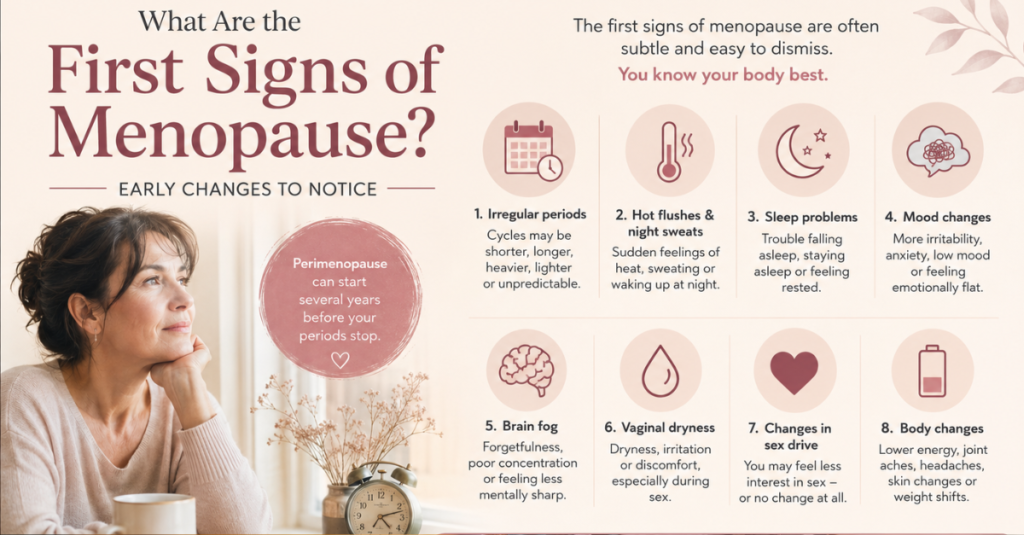
Many women also notice hot flushes alongside:
- Irregular periods.
- Night sweats.
- Brain fog.
- Mood changes.
- Fatigue.
- Anxiety.
- Heart palpitations.
When these symptoms occur together, they often point towards Perimenopause rather than another medical condition.
Why Am I Having Hot Flushes Before Menopause?
One of the biggest misconceptions about menopause is that symptoms only begin after periods stop.
In reality, many symptoms begin years earlier.
Perimenopause is the stage leading up to menopause, and it’s during this time that hormone levels fluctuate the most.
That’s why many women begin experiencing hot flushes while they are still:
- Having monthly periods.
- Having irregular periods.
- Ovulating occasionally.
The important thing to remember is that you don’t have to stop having periods to experience menopause symptoms.
For many women, hot flushes are actually one of the earliest signs that Perimenopause has begun.
Keep a Hot Flush Diary
Keeping track of your symptoms can help you recognise patterns.
Record:
- The time your hot flush occurred.
- How long it lasted.
- What you were doing beforehand.
- What you had eaten or drunk.
- Stress levels.
- Room temperature.
- Whether you were having a hot flush or a night sweat.
You may discover triggers that you hadn’t previously noticed.
This information can also be useful if you decide to speak to your doctor.
When Hot Flushes Aren’t Normal
Although hot flushes are common during Perimenopause, they shouldn’t automatically be blamed for every episode of sweating or feeling hot.
Arrange an appointment with your doctor if:
- Your symptoms begin very suddenly.
- You develop a persistent fever.
- You’re losing weight without trying.
- You experience severe night sweats that soak your bedding.
- Your symptoms are becoming progressively worse.
- You’re worried another condition may be causing them.
These symptoms don’t necessarily indicate something serious, but they do deserve medical assessment.
When It May Be Worth Speaking to a Doctor
Speak to your doctor if:
- Hot flushes are affecting your sleep.
- They’re interfering with work or daily life.
- You’re struggling to cope with the symptoms.
- You’re interested in discussing Hormone Replacement Therapy (HRT).
- You’re unsure whether you’re experiencing Perimenopause.
- Your symptoms are affecting your mental wellbeing.
Many women are surprised to discover how many treatment options are available.
You don’t have to simply “put up with” severe hot flushes.
Simple Steps That May Help
Although you can’t prevent hormonal changes, there are many practical ways to reduce the impact hot flushes have on your daily life.
Many women find that a combination of lifestyle changes and, where appropriate, medical treatment makes a significant difference.
1. Dress in Layers
Wearing light layers allows you to adjust your clothing as your body temperature changes.
Choose breathable fabrics such as:
- Cotton.
- Linen.
- Bamboo.
These materials allow heat to escape more easily than synthetic fabrics.
Some women also find it helpful to carry a small handheld fan when they’re away from home.
2. Keep Your Bedroom Cool
Night sweats can have a major impact on your sleep.
Simple changes that may help include:
- Keeping your bedroom cool.
- Using lighter bedding.
- Choosing breathable nightwear.
- Opening a window if possible.
- Using a bedside fan during warmer months.
Improving your sleeping environment won’t completely stop night sweats, but it may make them easier to manage.
3. Identify Your Triggers
Every woman’s triggers are different.
Keeping a symptom diary may help you identify whether your hot flushes are linked to:
- Hot drinks.
- Alcohol.
- Spicy foods.
- Stress.
- Warm environments.
- Caffeine.
Once you’ve recognised your triggers, you can decide whether making small changes reduces your symptoms.
4. Stay Active
Regular exercise supports your health in many ways during Perimenopause.
Physical activity may help:
- Improve sleep.
- Reduce stress.
- Support a healthy weight.
- Improve mood.
- Increase energy levels.
Choose activities that you enjoy and can maintain over time.
5. Manage stress
Stress doesn’t cause Perimenopause, but it can make hot flushes feel more intense.
Helpful ways to manage stress include:
- Deep breathing exercises.
- Meditation.
- Yoga.
- Walking outdoors.
- Listening to calming music.
- Taking regular breaks during the day.
Finding even a few minutes each day to relax can help calm your nervous system.
6. Stay Hydrated
Sweating during hot flushes can leave you feeling dehydrated.
Aim to drink water regularly throughout the day.
Keeping hydrated may also help you feel more comfortable after a hot flush.
7. Maintain a Healthy Weight
Research suggests that maintaining a healthy weight may reduce the frequency or severity of hot flushes for some women.
Rather than focusing on restrictive diets, aim for:
- Balanced meals.
- Regular physical activity.
- Sustainable lifestyle habits.
Small, long-term changes are far more effective than quick fixes.
8. Talk to Your Doctor About Treatment Options
If hot flushes are affecting your quality of life, speak to your doctor.
Treatment options may include:
- Lifestyle advice.
- Hormone Replacement Therapy (HRT).
- Non-hormonal medications.
- Cognitive behavioural therapy (CBT) for menopause symptoms, where appropriate.
There isn’t a single solution that works for everyone, so it’s important to discuss the benefits and risks of different treatments based on your individual circumstances.
What the Research Says
Hot flushes are among the most common symptoms of Perimenopause and menopause.
Researchers believe they occur because fluctuating oestrogen levels affect the hypothalamus, the part of the brain responsible for regulating body temperature. During the menopausal transition, this internal thermostat becomes more sensitive, prompting the body to trigger cooling mechanisms such as sweating and vasodilation, even with only a small temperature change.
According to the NHS – Menopause, hot flushes and night sweats are among the most frequently reported symptoms during Perimenopause.
The National Institute for Health and Care Excellence (NICE) Menopause Guideline recommends discussing lifestyle measures alongside treatment options, such as HRT, when symptoms affect quality of life.
The British Menopause Society also highlights that women should be offered evidence-based information about both hormonal and non-hormonal treatment options so they can make informed decisions about their care.
Questions Women Often Ask
1. Can hot flushes start before menopause?
Yes.
Many women experience hot flushes during Perimenopause, often several years before their periods stop completely.
2. How long does a hot flush usually last?
Most hot flushes last between one and five minutes, although some may be shorter or longer.
The frequency varies greatly from one woman to another.
3. Why do hot flushes happen at night?
Night sweats are hot flushes that occur while you’re sleeping.
They happen for the same reason as daytime hot flushes but can be particularly disruptive because they interrupt sleep.
4. Will hot flushes eventually stop?
For most women, yes.
Although they may continue for several years, hot flushes usually become less frequent over time.
The duration varies considerably between individuals.
5. Can HRT help with hot flushes?
For many women, yes.
HRT is considered one of the most effective treatments for troublesome hot flushes.
Whether it’s suitable depends on your medical history and personal preferences, so it’s important to discuss it with your doctor.
6. When should I seek medical advice?
Arrange an appointment if:
- Hot flushes are affecting your sleep or daily life.
- You’re unsure whether they’re related to Perimenopause.
- Your symptoms begin suddenly or seem unusual.
- You’re interested in discussing treatment options.
Nurse’s Tip
As a nurse, I’ve met many women who thought they were becoming unwell because they suddenly started experiencing intense waves of heat.
One of the most reassuring things you can know is that hot flushes often begin before menopause—not after it.
If you’re in your forties and wondering why this is happening, you’re certainly not alone.
Don’t struggle in silence. If hot flushes are affecting your sleep, work or confidence, speak to your doctor. Effective treatments are available, and you deserve support.
Key Takeaways
- Hot flushes commonly begin during Perimenopause, before menopause itself.
- Fluctuating oestrogen levels affect the body’s temperature regulation.
- Symptoms may include sudden heat, sweating, flushing and chills afterwards.
- Stress, caffeine, alcohol and warm environments can make symptoms worse.
- Lifestyle changes and medical treatments can both help manage hot flushes.
- Speak to your doctor if symptoms are severe or affecting your quality of life.
What This Means for You
Hot flushes can feel unexpected, particularly if you’re still having periods and hadn’t considered that Perimenopause might have begun.
The reassuring news is that they’re one of the most common symptoms of the menopause transition and, while uncomfortable, they’re usually a normal response to changing hormone levels.
Learning about your triggers, making small lifestyle adjustments and seeking medical advice when needed can help you feel more in control.
Most importantly, remember that you don’t have to put up with symptoms that are simply affecting your life.
You know your body better than anyone else. If something doesn’t feel right, trust your instincts and speak to your doctor.
Medical Disclaimer
This article is for educational purposes only and should not replace professional medical advice, diagnosis or treatment. If you have symptoms that concern you and they persist or worsen, speak to your doctor or another qualified healthcare professional. In an emergency, seek immediate medical care.