
Jane, Age: 51
My Story
It was such a small thing. My sister-in-law asked if I could host Christmas again this year, the way I always do, and I heard myself say, “Not this time.”
Four words. I put the phone down and just sat there in the kitchen, a bit stunned by myself.
For twenty years I was the one who said yes. Yes to hosting, yes to the school run swap, yes to being the person people rang when they needed a favour sorted quietly and without fuss. I didn’t mind it, or I told myself I didn’t. There was a kind of pride in being reliable. Being needed felt like being loved, and I wasn’t in any rush to examine whether those were actually the same thing.
Somewhere over the last year or two, something in me had quietly shifted. I noticed it first in small ways. I stopped finishing my plate at dinners I didn’t want to be at. I started leaving parties before the “proper” goodbye round. I began saying “let me think about it” instead of agreeing on the spot, which for me was practically radical.
My husband noticed before I did. He said, over breakfast one morning, “You’re different lately. Calmer, but sort of, I don’t know, further away.” I wasn’t sure if he meant it kindly. I think he did.
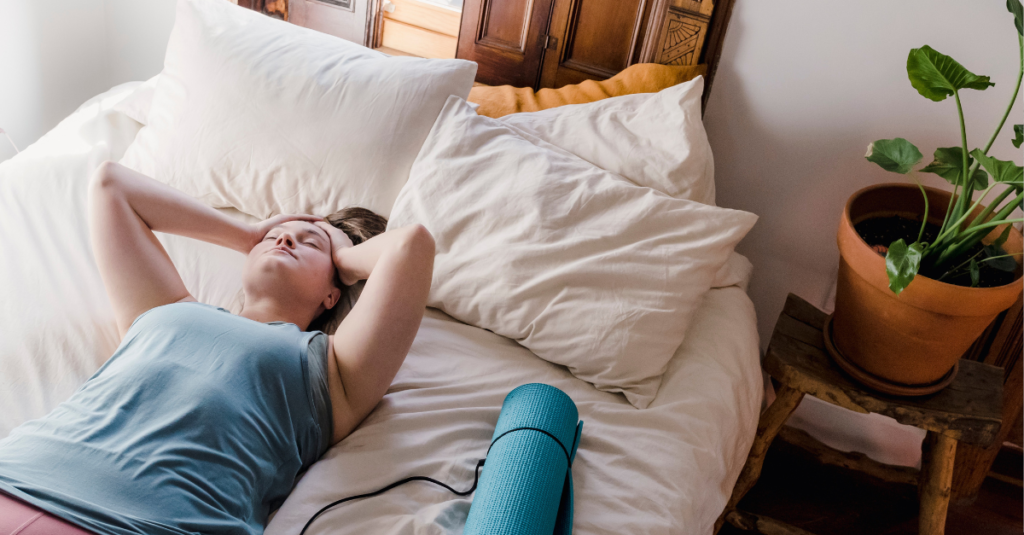
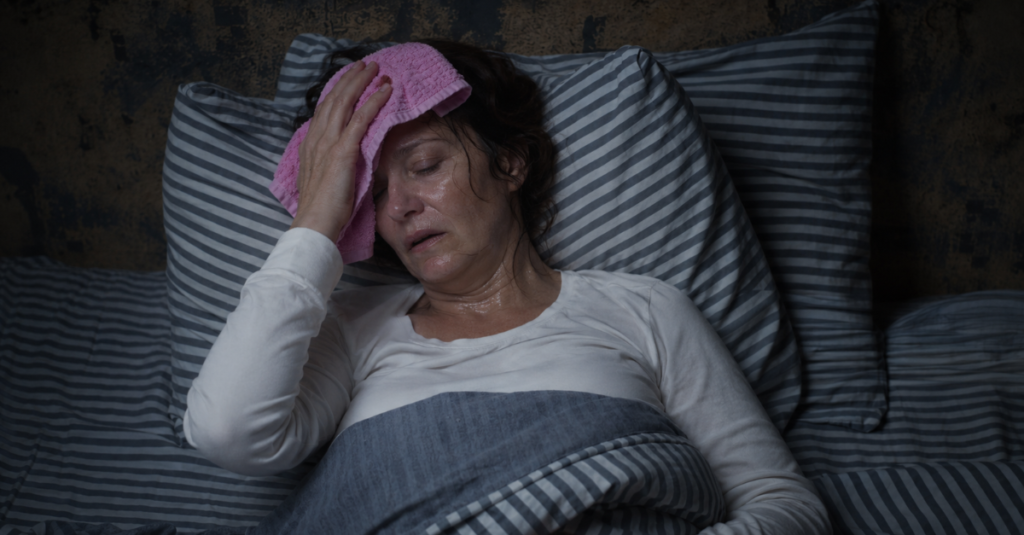
I’d put a lot of it down to tiredness. My sleep had gone strange, patchy and light, and some days a fog would sit over my thinking that no amount of coffee could shift. I assumed I’d just get on with it, the way I’d got on with everything else. But underneath the tiredness, something else was happening. I was running out of patience for things I used to tolerate easily. Small talk that went nowhere. People who only rang when they wanted something. My own habit of shrinking myself to keep a room comfortable.
Saying no to Christmas wasn’t really about Christmas. It was the first time in longer than I could remember that I’d let my own tiredness matter more than someone else’s disappointment.
Looking Back
I can see now that I’d been quietly disappearing for years, saying yes so often that I’d lost track of what I actually wanted. Menopause, or perimenopause, or whatever this stretch of life is properly called, didn’t create that pattern. But it did seem to strip away my patience for pretending. It was as though the part of me that used to smooth everything over had simply run out of energy for the job.
I used to think that was a loss. Now I’m not so sure. I think it might have been the truest version of me, finally too tired to keep performing.
What Helped Me
Talking to my GP helped, mostly because she didn’t rush me. I went in ready to explain away my irritability as me being difficult. Instead, she asked good questions and gave me proper information about what was going on in my body. That alone took some of the guilt out of it.
Writing things down helped too, even just a line or two before bed. Some nights it was nothing more than “tired, snapped at the kids, felt bad about it,” but seeing the pattern on paper made it easier to be gentle with myself.
And honestly, hearing other women my age say similar things helped more than anything. A friend admitted she’d started saying no to things too, and we laughed about how neither of us had died of disappointing people yet.
What I Wish I’d Known
I wish someone had told me that this stage isn’t just about hot flushes and forgetting words mid-sentence, though there’s plenty of that too. I wish I’d known it can also be about your patience wearing thin, your boundaries firming up, and your sense of self quietly reasserting itself after years of being on mute.
I also wish I’d known that saying no doesn’t make you selfish. It took me a long time to separate those two things.
Reflection
I still host things sometimes. I still say yes plenty. But now there’s a pause before the answer, a little space where I actually check in with myself first. That pause is new, and I’m rather fond of it.
I don’t think I’m becoming a harder version of myself. I think I’m becoming a truer one.
Every woman’s experience is different. This story is shared to help others feel less alone and is not intended to replace professional medical advice.