


“Why am I always cold and tired?” is one of those questions many women ask quietly before they ever bring it up in a clinic. You may notice you are wearing extra layers when everyone else is comfortable, needing more coffee to get through the afternoon, or falling asleep on the sofa even after a full night in bed.
If this sounds familiar, you are not being dramatic. Feeling cold and exhausted can happen for simple reasons such as poor sleep, stress, under-eating, or being run down. But when it is persistent, new, worsening, or affecting your work, relationships, mood, confidence, or daily life, it deserves attention.
For women aged 35–65, the answer is often not one single thing. Hormonal changes, thyroid function, iron levels, vitamin B12, sleep disruption, heavy periods, stress, metabolic changes, and chronic health conditions can all overlap. Many women are told they are “just busy,” “just getting older,” or “probably menopausal,” when in reality they may need a proper health check.
This guide explains the common reasons behind feeling cold and tired, what symptoms to look for, what tests may help, and when to seek medical advice.
Key Statistics Box
- Women are more likely than men to develop thyroid disease, especially after pregnancy and after menopause.
- The NHS lists tiredness and feeling colder than usual as common symptoms of an underactive thyroid.
- Iron deficiency anaemia is the most common type of anaemia, and heavy periods are a common reason women develop low iron.
- WHO describes anaemia in women of reproductive age as a continuing public health concern globally.
- Menopause symptoms commonly occur during the 40s and 50s, and sleep disruption from night sweats can make fatigue worse.
What Is Feeling Cold and Tired?
Feeling cold and tired is not a diagnosis. It is a symptom pattern. In medical terms, “feeling cold” is often described as cold intolerance, which means you feel unusually sensitive to cold temperatures compared with other people around you. “Tiredness” may mean fatigue, low stamina, sleepiness, muscle weakness, poor concentration, or a heavy, drained feeling that rest does not fully fix.
When a woman asks, “Why am I always cold and tired?” the most helpful approach is to look at the body systems that regulate energy, oxygen delivery, hormones, metabolism, sleep, and circulation.
Common causes include:
- Underactive thyroid, also called hypothyroidism.
- Iron deficiency or iron deficiency anaemia
- Vitamin B12 or folate deficiency
- Perimenopause or menopause-related sleep disruption
- Heavy or prolonged periods
- Low calorie intake, restrictive dieting, or low protein intake
- Chronic stress or burnout
- Depression or anxiety
- Diabetes or blood sugar imbalance
- Poor sleep quality or sleep apnoea
- Certain medications
- Chronic infection, inflammatory conditions, or autoimmune disease
The important thing is this: being always cold and tired is not something you have to “push through.” It is a signal worth listening to.
What Causes Cold Intolerance and Fatigue?
a. Underactive Thyroid
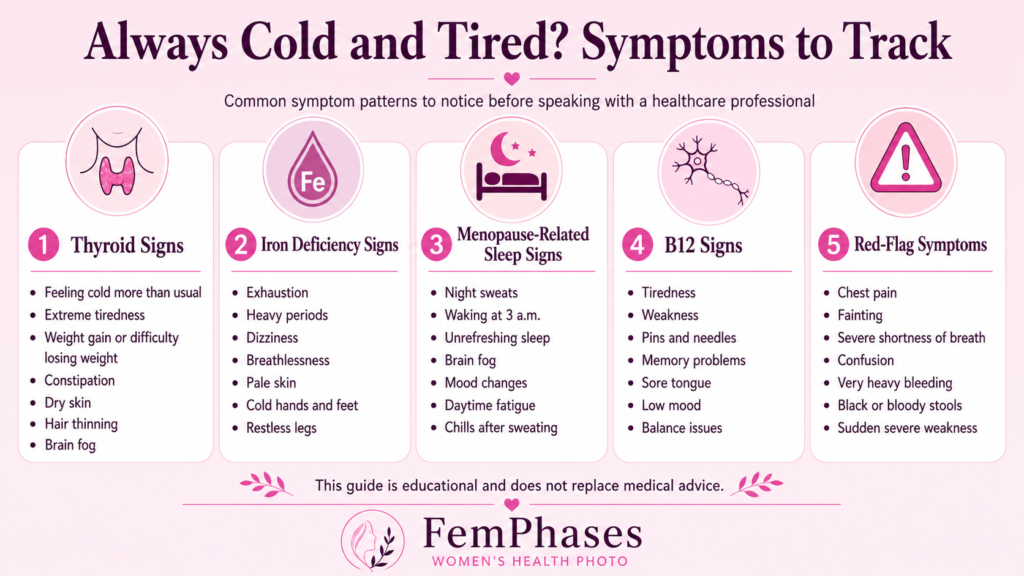
One of the most common medical reasons women feel cold and tired is an underactive thyroid, also known as hypothyroidism. The thyroid is a small butterfly-shaped gland in the front of the neck. It produces thyroid hormones that help regulate metabolism, body temperature, heart rate, digestion, skin and hair, mood, and energy.
When thyroid hormone levels are too low, many body processes slow down. This can make you feel cold, sluggish, constipated, low in mood, foggy, and unusually tired.
Symptoms may include:
- Feeling cold when others feel comfortable
- Extreme tiredness
- Weight gain or difficulty losing weight
- Constipation
- Dry skin
- Hair thinning or hair loss
- Low mood or depression
- Brain fog
- Heavy or irregular periods
- Hoarse voice
- Muscle aches
- Slower heart rate
Many women notice these symptoms gradually. They may blame work stress, ageing, poor sleep, motherhood, caring responsibilities, or menopause. But if you are asking “why am I always cold and tired?” and you also have weight changes, constipation, hair thinning, dry skin, or heavy periods, thyroid testing is worth discussing with your GP or clinician.
b. Iron Deficiency and Anaemia
Iron helps your body make haemoglobin, the protein in red blood cells that carries oxygen. If your iron stores are low, your tissues may not get oxygen as efficiently. That can leave you exhausted, breathless, dizzy, pale, weak, or cold, especially in your hands and feet.
Iron deficiency can happen with or without anaemia. Anaemia means your haemoglobin level is low. Iron deficiency means your iron stores may be low, even before haemoglobin drops.
Women are at higher risk when they have:
- Heavy periods
- Long or frequent periods
- Fibroids
- Endometriosis or adenomyosis
- Recent pregnancy or breastfeeding
- Low iron intake
- Vegetarian or vegan diets without careful planning
- Gut conditions that affect absorption
- Gastrointestinal bleeding
- Use of some medications that irritate the stomach
A common real-life pattern is the woman who says, “I’m exhausted, freezing, dizzy when I stand up, and my periods are flooding.” That combination should not be brushed off as normal midlife stress.
c. Vitamin B12 or Folate Deficiency
Vitamin B12 and folate help the body make healthy red blood cells and support nerve function. A deficiency can cause tiredness, weakness, breathlessness, mouth ulcers, pins and needles, memory issues, low mood, or balance problems.
Vitamin B12 deficiency can occur even without obvious anaemia. This matters because some women are told their “blood count is normal,” but they still feel deeply unwell. If symptoms suggest B12 deficiency, testing and appropriate treatment should be considered.
Risk factors include:
- Vegan or very low animal-product diets
- Pernicious anaemia, an autoimmune condition affecting B12 absorption
- Gut conditions such as coeliac disease or Crohn’s disease
- Bariatric surgery
- Long-term use of medications such as metformin or proton pump inhibitors
- Increasing age
d. Perimenopause and Menopause
Perimenopause is the transition before menopause, when ovarian hormone patterns become more unpredictable. Menopause is reached after 12 consecutive months without a period. Post menopause is the stage after that.
Perimenopause and menopause do not usually cause “cold intolerance” in the same classic way that hypothyroidism or anaemia can. However, hormonal changes can significantly affect sleep, mood, temperature regulation, muscle aches, and energy levels.
Women commonly report:
- Waking at 3 a.m. and struggling to get back to sleep
- Night sweats followed by chills
- Feeling exhausted even after being in bed for hours
- Brain fog at work
- Lower stress tolerance
- Heavier or more erratic periods during perimenopause
- Increased anxiety
- Joint aches and reduced motivation to exercise
If your tiredness occurs alongside changes in periods, night sweats, hot flushes, mood shifts, vaginal dryness, or sleep disturbance, hormonal changes may be part of the picture. Still, menopause should not become a “diagnostic dustbin.” Thyroid disease, iron deficiency, B12 deficiency, diabetes, depression, and other medical causes can coexist with menopause.
e. Poor Sleep and Night Sweats
Sleep is one of the most underestimated causes of fatigue. Many women say, “I sleep for seven hours, so why am I exhausted?” But quality matters as much as quantity.
Night sweats, anxiety, restless legs, pain, snoring, alcohol, late caffeine, shift work, and frequent waking can all reduce deep, restorative sleep.
Sleep disruption can cause:
- Morning exhaustion
- Brain fog
- Sugar cravings
- Irritability
- Low motivation
- Headaches
- Reduced pain tolerance
- Poor concentration
- Feeling colder because the body is run down
If you wake unrefreshed, snore loudly, wake choking or gasping, or feel sleepy during the day, ask about a sleep apnoea assessment. Sleep apnoea is not only a men’s health issue. It can affect women too, especially after menopause.
f. Stress, Burnout, and Mental Health
Chronic stress can make the body feel permanently underpowered. When your nervous system is always on alert, sleep becomes lighter, muscles stay tense, digestion changes, and energy regulation suffers.
Many women in midlife are carrying a heavy invisible load: work pressure, ageing parents, teenagers, relationship strain, financial stress, grief, health worries, and the emotional labour of keeping everything going.
Stress and burnout can feel like:
- Waking tired
- Feeling cold, shaky, or drained
- Low motivation
- Tearfulness
- Short temper
- Brain fog
- Feeling overwhelmed by normal tasks
- Needing more caffeine or sugar
- Losing interest in things you usually enjoy
Depression can also present as fatigue, body heaviness, sleep changes, appetite changes, low mood, guilt, hopelessness, or loss of pleasure. Anxiety can cause poor sleep, muscle tension, palpitations, dizziness, and exhaustion after long periods of mental overdrive.
Mental health symptoms are real health symptoms. They deserve support, not shame.
g. Blood Sugar and Metabolic Health
Blood sugar changes can contribute to tiredness, especially when energy crashes happen after meals or after long gaps without food. Diabetes can cause fatigue, increased thirst, frequent urination, blurred vision, recurrent thrush or urinary infections, and unexplained weight change.
Insulin resistance, which is when the body has difficulty using insulin effectively, may also be linked with midlife weight gain, cravings, energy crashes, and metabolic risk. This can be more common around menopause because changes in oestrogen, muscle mass, sleep, and abdominal fat distribution can affect how the body handles glucose.
This does not mean every tired woman has a blood sugar problem. It does mean that persistent fatigue, especially with thirst, frequent urination, recurrent infections, or weight change, should be checked.
h. Low Food Intake or Restrictive Dieting
Some women are cold and tired because they are under-fuelling. This can happen with intentional dieting, intermittent fasting that does not suit your body, low-carb dieting without enough calories, skipping meals, or being too busy to eat properly.
Your body needs adequate amounts of energy, protein, iron, B vitamins, iodine, selenium, vitamin D, magnesium, and healthy fats to function well. If you are surviving on coffee, toast, salad, and willpower, your body may eventually push back.
Signs you may be under-fuelling include:
- Feeling cold often
- Fatigue during exercise
- Hair shedding
- Poor concentration
- Irritability
- Poor sleep
- Irregular periods
- Feeling shaky between meals
- Strong evening cravings
i. Circulation and Other Medical Conditions
Cold hands and feet can sometimes be related to poor circulation, Raynaud’s phenomenon, anaemia, thyroid disease, low body weight, medications, or autoimmune conditions.
Other possible causes of persistent coldness and fatigue include:
- Chronic kidney disease
- Liver disease
- Coeliac disease
- Rheumatoid arthritis or lupus
- Chronic infections
- Heart disease
- Long COVID
- Cancer, rarely
- Medication side effects
- Alcohol overuse
- Chronic pain conditions
Most tiredness is not caused by something frightening. But persistent, unexplained, or worsening symptoms should be assessed.
Common Signs and Symptoms
i. Early Signs
Early signs can be subtle, especially in busy women who are used to carrying on. You may notice:
- You need extra layers indoors
- Your hands or feet feel cold
- You wake tired
- Your usual exercise feels harder
- You rely more on caffeine
- You feel foggy at work
- You are more irritable or tearful
- Your skin or hair feels drier
- You feel dizzy when standing
- Your periods are heavier, longer, or closer together
ii. Less-Recognised Symptoms
Some symptoms are less obvious but still important:
- Craving ice, which can be linked with iron deficiency
- Restless legs at night
- Mouth ulcers or a sore tongue
- Pins and needles
- Hoarse voice
- Constipation
- Low libido
- Palpitations
- Feeling unusually breathless on stairs
- Increased anxiety
- Recurrent thrush or urinary infections
- Feeling chilled after night sweats
Frequently Asked Questions
1. Why am I always cold and tired as a woman?
Women may feel always cold and tired because of low thyroid hormone, iron deficiency, heavy periods, B12 deficiency, poor sleep, perimenopause, menopause, stress, depression, metabolic changes, or chronic illness. A proper assessment can help identify the cause.
2. Why am I always cold and tired, but my blood tests are normal?
Basic blood tests may not check everything. For example, a full blood count can be normal even when ferritin, which reflects iron stores, is low. B12 deficiency can sometimes cause symptoms before obvious anaemia appears. If symptoms persist, ask what was tested and whether further assessment is needed.
3. Can perimenopause make me cold and tired?
Perimenopause can make you tired by disrupting sleep, mood, temperature regulation, and periods. It may also cause heavier bleeding, which can contribute to low iron. However, feeling cold all the time is also common with hypothyroidism and anaemia, so it is worth checking.
4. Is feeling cold and tired a thyroid symptom?
Yes. Feeling cold more than usual and extreme tiredness are recognised symptoms of an underactive thyroid. Other clues include weight gain, constipation, dry skin, hair thinning, low mood, heavy periods, and brain fog.
5. Can low iron make me cold and exhausted?
Yes. Iron deficiency and iron deficiency anaemia can cause fatigue, weakness, dizziness, breathlessness, palpitations, pale skin, and cold hands or feet. Heavy periods are a common cause in women.
6. What vitamin deficiency makes you cold and tired?
Vitamin B12 and folate deficiencies can cause tiredness, weakness, breathlessness, neurological symptoms, mouth ulcers, and changes in mood or memory. Iron deficiency is another major cause of coldness and fatigue. Testing helps identify the right treatment.
7. Can stress make me feel cold and tired?
Yes. Chronic stress can disturb sleep, appetite, blood sugar patterns, muscle tension, and nervous system regulation. It can leave you feeling drained, shaky, cold, overwhelmed, or foggy. Stress can also coexist with medical causes, so persistent symptoms still deserve assessment.
8. Should I take iron if I am always cold and tired?
Do not take high-dose iron unless testing or clinical advice suggests you need it. Iron can cause side effects and may be unsafe in excess. If you suspect low iron, ask about a full blood count and ferritin or iron studies.
Key Takeaways
- “Why am I always cold and tired?” is a common and valid health question, especially for women in midlife.
- Underactive thyroid, iron deficiency, B12 deficiency, menopause-related sleep disruption, stress, poor nutrition, diabetes, and sleep disorders are common causes.
- Perimenopause can contribute to fatigue, but it should not automatically be blamed for every symptom.
- Heavy periods can quietly drain iron stores over time.
- Feeling cold more than usual, plus fatigue, constipation, dry skin, hair thinning, or weight gain, should prompt consideration of thyroid disease.
- Supplements should not be used as cures or substitutes for proper assessment.
- Seek medical advice if symptoms persist, worsen, or interfere with daily life.
Conclusion
If you keep wondering, “why am I always cold and tired?” your body may be asking for attention, not criticism. You do not have to wait until you are completely depleted before seeking help.
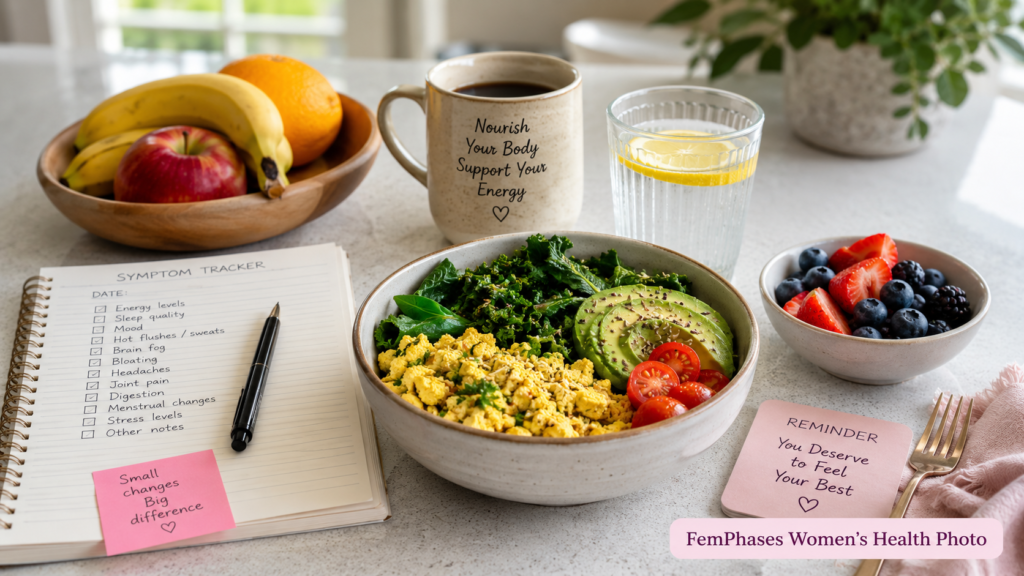
Start by tracking your symptoms, noticing your menstrual and sleep patterns, and booking a conversation with your GP or healthcare professional. Ask about common causes such as thyroid function, iron levels, vitamin B12, menopause symptoms, sleep quality, and blood sugar.
The answer may be simple. It may be layered. Either way, you deserve to be properly listened to and supported by evidence-based care that considers the whole picture.
Medical Disclaimer
This article is for educational purposes only and does not replace professional medical advice, diagnosis, or treatment. Always speak with a qualified healthcare professional about symptoms, test results, medications, supplements, or treatment decisions. Seek urgent medical care if you have severe symptoms such as chest pain, fainting, severe breathlessness, confusion, very heavy bleeding, or thoughts of self-harm.