
Perhaps you’ve found yourself crying over a television advert.
Maybe a minor disagreement leaves you feeling upset for hours, or you suddenly become irritated by something that never used to bother you. Some days you feel perfectly calm, while on others your emotions seem to be much closer to the surface.
You may even wonder, “What’s happening to me?” If you’ve been feeling more emotional than usual, you’re not alone.
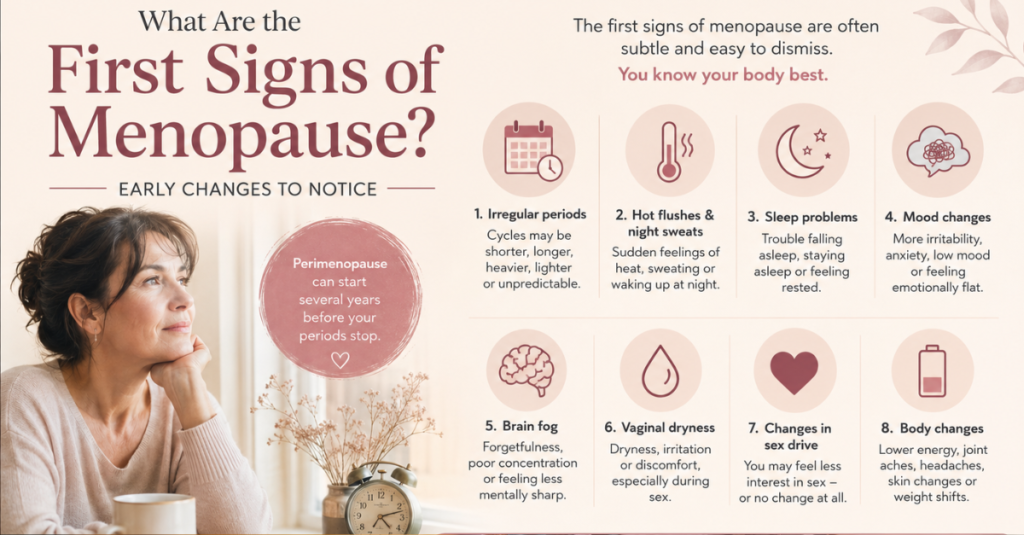
Many women notice changes in their emotions during perimenopause, such as feeling more tearful, sensitive, or overwhelmed, which are common experiences that can help you feel understood and less alone.
Feeling more emotional is a common experience during perimenopause, which can help women feel reassured and less alone in their feelings.
Understanding why these changes happen can foster compassion and help women respond kindly to themselves during this transition.
Quick Facts
Is it common? Yes. Many women notice they become more emotional during perimenopause.
What might cause it? Hormonal changes, poor sleep, stress, fatigue, anxiety and life pressures.
If your emotions are significantly affecting your daily life, relationships, or mental health, or if you experience persistent low mood or thoughts of self-harm, it’s important to speak to a doctor promptly.
A Quick Fact
Feeling more emotional during perimenopause is very common.
Many women find they cry more easily, become irritated more quickly or feel overwhelmed by situations they previously managed without difficulty.
These emotional changes are often linked to fluctuating hormone levels, but sleep, stress, physical symptoms and the demands of midlife also influence them.
Although emotional ups and downs are common, you should never feel that you have to struggle through them alone. If your mood is persistently low or your symptoms are affecting your quality of life, it’s important to speak to your doctor.
Understanding What’s Happening during Perimenopause
Your emotions aren’t “all in your head.”
A complex interaction between your brain, hormones, physical health and life experiences influences them.
During perimenopause, levels of oestrogen and progesterone become less predictable.
Oestrogen affects several brain chemicals, including serotonin and dopamine, which play an important role in regulating:
- Mood.
- Emotional resilience.
- Motivation.
- Sleep.
- Memory.
- Stress responses.
When hormone levels fluctuate, these systems can also fluctuate.
That’s why you may feel perfectly fine one day and unusually emotional the next.
It’s important to remember that these feelings are real.
You’re not overreacting, becoming “too sensitive” or losing control.
Your body is adapting to one of the biggest hormonal transitions of your adult life.
Common Reasons Why You Feel More Emotional?
Feeling more emotional is rarely caused by one single factor.
Usually, several things are happening at once.
1. Hormonal Changes
Fluctuating hormone levels are one of the biggest reasons women experience emotional changes during perimenopause.
As hormone levels rise and fall unpredictably, you may notice:
- Tearfulness.
- Irritability.
- Mood swings.
- Feeling overwhelmed.
- Increased sensitivity.
According to the NHS, mood changes are among the recognised symptoms of perimenopause.
2. Poor Sleep
Even one poor night’s sleep can make you feel more emotional.
If you’re regularly waking because of:
- Night sweats.
- Hot flushes.
- Anxiety.
- Restless sleep. Your emotional resilience naturally decreases. Small problems may feel much bigger simply because you’re exhausted.
3. Fatigue
Constant tiredness makes it harder to regulate emotions.
When you’re physically and mentally exhausted, you’re more likely to:
- Cry easily.
- Feel impatient.
- Become frustrated.
- Feel emotionally drained.
Fatigue doesn’t just affect your energy; it affects how you cope with everyday life.
4. Stress
Perimenopause often happens during one of the busiest periods of life.
You may be balancing:
- Work.
- Family.
- Teenagers or adult children.
- Ageing parents.
- Financial responsibilities.
- Relationship changes.
Even without hormonal changes, that’s a lot to carry.
5. Anxiety
Many women notice anxiety becoming more prominent during perimenopause.
You may find yourself:
- Worrying more than usual.
- Feeling on edge.
- Becoming overwhelmed by everyday situations.
- Feeling restless or unable to relax.
Living with constant anxiety can leave your emotions close to the surface, making it easier to cry or feel upset.
6. Brain Fog
Struggling to remember words, forgetting appointments or finding it difficult to concentrate can be frustrating.
Brain fog can leave you feeling:
- Less confident.
- Embarrassed.
- Easily overwhelmed.
- Emotionally exhausted.
Many women become emotional because they feel they’re no longer performing at work or at home as they once did.
The reassuring news is that brain fog is a recognised symptom of perimenopause and doesn’t mean you’re “losing your mind.”
7. Physical Symptoms
It’s difficult to feel emotionally balanced when your body isn’t feeling its best.
Symptoms such as:
- Hot flushes.
- Night sweats.
- Joint pain.
- Headaches.
- Heart palpitations.
- Fatigue.
can gradually wear down your emotional resilience.
Physical discomfort and emotional wellbeing are closely connected.
8. Midlife Changes
Perimenopause often arrives during a season of significant life change.
You may be experiencing:
- Children becoming more independent.
- Caring for ageing parents.
- Changes in your career.
- Relationship challenges.
- Financial pressures.
- Concerns about ageing.
These experiences naturally bring a wide range of emotions.
Hormonal changes don’t create these challenges, but they can make them feel more difficult to manage.
Could It Be Hormones?
For many women, the answer is yes.
Oestrogen helps regulate several neurotransmitters—chemical messengers in the brain that influence mood and emotional wellbeing.
When hormone levels fluctuate, you may notice:
- Feeling tearful for no obvious reason.
- Becoming irritated more easily.
- Feeling overwhelmed by small problems.
- Reacting more emotionally than you normally would.
Some women describe it as feeling as though they’ve “lost their emotional filter.”
Others say they feel emotionally fragile or less resilient than before.
These experiences are common during perimenopause and are recognised by healthcare professionals.
However, hormones are only one piece of the puzzle.
Sleep, stress, physical health, relationships and life circumstances all play an important role in how you feel.
Why Do I Cry So Easily Now?
This is one of the questions many women quietly ask themselves.
You may find yourself crying over:
- A television programme.
- A song.
- A kind comment.
- A frustrating email.
- A minor disagreement.
- Something that normally wouldn’t affect you.
That can feel confusing, especially if you’ve never thought of yourself as an emotional person.
The reason is often a combination of:
- Hormonal fluctuations.
- Reduced emotional resilience.
- Poor sleep.
- Stress.
- Mental fatigue.
Crying more easily doesn’t mean you’re weak.
Sometimes it’s simply your body’s way of responding to a period of significant physical and emotional change.
Keep an Emotion Diary
If your emotions seem unpredictable, keeping a diary can help.
For two to four weeks, note:
- Your mood.
- Sleep quality.
- Stress levels.
- Menstrual cycle.
- Physical symptoms.
- Significant life events.
You may begin to notice patterns, for example, feeling more emotional before a period, after several nights of poor sleep or during particularly stressful weeks.
Understanding these patterns can help you feel more in control and can also be useful when talking to your doctor.
When Feeling More Emotional Isn’t Normal
Although emotional changes are common during perimenopause, some symptoms should always be taken seriously.
Arrange an appointment with your doctor if you:
- Feel persistently low for more than two weeks.
- Have severe anxiety or panic attacks.
- Feel unable to cope with everyday life.
- Lose interest in activities you usually enjoy.
- Feel hopeless or worthless.
- Notice significant changes in your behaviour or personality.
Seek urgent help immediately if:
- You have thoughts of harming yourself.
- You feel that life isn’t worth living.
- You believe you may act on these thoughts.
You deserve support, and effective help is available.
When It May Be Worth Speaking to a Doctor
It’s worth speaking to your doctor if:
- Your emotions are affecting your relationships.
- You’re finding work more difficult because of your symptoms.
- You’re struggling to manage anxiety.
- Poor sleep is affecting your mood.
- You’re interested in discussing treatment options, including HRT.
- You’re worried that something else may be causing your symptoms.
Your doctor can help determine whether your symptoms are related to perimenopause or another health condition and discuss the most appropriate support for you.
Simple Steps That May Help
Many women find that a combination of lifestyle changes, emotional support and, where appropriate, medical treatment helps them feel more like themselves again.
1. Accept That Your Feelings Are Real
One of the most important steps is recognising that your emotions are valid.
You aren’t “overreacting” or “being dramatic.”
Your body is going through a significant hormonal transition, and, understandably, your emotions may feel different.
Being compassionate towards yourself can reduce the guilt that many women carry during this stage of life.
2. Protect Your Sleep
Good-quality sleep supports emotional wellbeing.
Aim to:
- Keep a regular sleep routine.
- Create a calm bedtime environment.
- Limit caffeine in the afternoon and evening.
- Avoid screens immediately before bed.
- Keep your bedroom cool, especially if you’re experiencing night sweats.
Better sleep often leads to better emotional resilience.
3. Keep Moving
Regular physical activity benefits both your body and your emotional wellbeing.
Exercise helps release endorphins—your body’s natural “feel-good” chemicals—which can improve mood and reduce stress.
Choose activities that you enjoy, such as:
- Walking.
- Swimming.
- Yoga.
- Pilates.
- Cycling.
- Dancing.
- Strength training.
You don’t need to exercise intensely to experience the benefits. Even a gentle daily walk can help improve your mood.
4. Eat Regular, Balanced Meals
When you’re feeling emotional, it’s easy to skip meals or rely on sugary snacks for a quick boost.
However, fluctuating blood sugar levels can sometimes make mood changes feel worse.
Aim to include:
- Lean protein.
- Wholegrains.
- Fruit and vegetables.
- Healthy fats.
- Calcium-rich foods.
Eating regularly helps provide your brain with a steady supply of energy throughout the day.
5. Make Time for Yourself
Many women spend years putting everyone else’s needs first.
Perimenopause can be a reminder that your own wellbeing matters too.
Even 15 or 20 minutes each day can make a difference.
You might:
- Read a book.
- Enjoy a cup of tea in peace.
- Go for a walk.
- Listen to music.
- Practise mindfulness.
- Sit quietly in the garden.
Looking after yourself isn’t selfish—it’s an important part of maintaining your physical and emotional health.
6. Stay Connected
When emotions feel overwhelming, withdrawing from family and friends can seem easier.
However, isolation often makes difficult feelings feel even heavier.
Talking openly with someone you trust can help you feel understood and supported.
You may be surprised to discover that many other women have experienced the same emotions during perimenopause.
7. Reduce Stress Where You Can
You may not be able to remove every source of stress from your life, but you can find healthier ways to manage it.
Helpful strategies include:
- Deep breathing exercises.
- Meditation.
- Gentle stretching.
- Journaling.
- Spending time outdoors.
- Saying “no” when your schedule is already full.
Small changes, repeated consistently, often have the greatest impact.
8. Seek Support Early
If your emotional symptoms are becoming difficult to manage, don’t wait until you reach breaking point.
Support may include:
- Talking therapies.
- Lifestyle advice.
- Cognitive behavioural therapy (CBT).
- Hormone Replacement Therapy (HRT), where appropriate.
- Medication for anxiety or depression if needed.
Your doctor can help you decide which options are most suitable for your circumstances.
Questions Women Often Ask
1. Is it normal to cry more during perimenopause?
Yes.
Many women find they cry more easily than they used to. Fluctuating hormone levels, poor sleep and increased stress can all make emotions feel closer to the surface.
2. Why do I get upset over such small things?
Hormonal changes can reduce your emotional resilience, meaning situations that once felt manageable may now feel overwhelming.
This doesn’t mean you’re weak or overreacting; it’s a recognised part of the menopause transition for many women.
3. Will these emotional changes last forever?
For most women, no.
As hormones stabilise and symptoms are managed, many women find their emotional wellbeing gradually improves.
The length of time varies from person to person.
4. Is it normal to feel irritable all the time?
Increased irritability is common during perimenopause, particularly if you’re also dealing with poor sleep, fatigue or stress.
If irritability is affecting your relationships or daily life, it’s worth discussing it with your doctor.
5. Can HRT help emotional symptoms?
For some women, yes.
If emotional changes are linked to hormonal fluctuations, HRT may help improve symptoms. Whether it’s suitable depends on your medical history, symptoms and personal preferences.
Discuss the benefits and risks with your doctor.
6. When should I seek medical advice?
Arrange an appointment if:
- Your mood is persistently low.
- Anxiety is becoming difficult to manage.
- Emotional symptoms are affecting your work or relationships.
- You’re struggling to cope with everyday life.
- You’re worried about your mental health.
💙 Nurse’s Tip
As a nurse, I’ve met many women who apologise for becoming emotional.
They’ll often say things like, “I don’t know why I’m crying. This isn’t like me.”
Please don’t judge yourself for what you’re feeling.
Your emotions aren’t a sign that you’re failing, they’re a sign that your body is going through a significant hormonal transition.
Treat yourself with the same kindness and patience you would offer a close friend. You deserve that compassion too.
Key Takeaways
- Feeling more emotional is common during perimenopause.
- Hormonal changes, poor sleep, stress and fatigue often work together to affect emotional wellbeing.
- Crying more easily or feeling overwhelmed doesn’t mean you’re weak.
- Looking after your sleep, physical health and stress levels can make a meaningful difference.
- Emotional symptoms deserve the same attention as physical symptoms.
- If your mood is affecting your quality of life, speak to your doctor.
What This Means for You
Feeling more emotional can be one of the most unexpected parts of perimenopause.
It can leave you questioning yourself, wondering why you react differently or why your emotions seem so much harder to manage than they used to be.
The reassuring news is that you’re far from alone.
Many women experience these changes, and they are a recognised part of the hormonal transition through perimenopause.
Most importantly, remember that feeling more emotional doesn’t mean you’ve become a different person.
With understanding, self-care, and the right support, many women gradually regain their emotional balance and confidence.
You know your body better than anyone else. If something doesn’t feel right, trust your instincts and speak to your doctor.
Medical Disclaimer
This article is for educational purposes only and should not replace professional medical advice, diagnosis or treatment. If you have symptoms that concern you and they persist or worsen, speak to your doctor or another qualified healthcare professional. In an emergency, seek immediate medical care