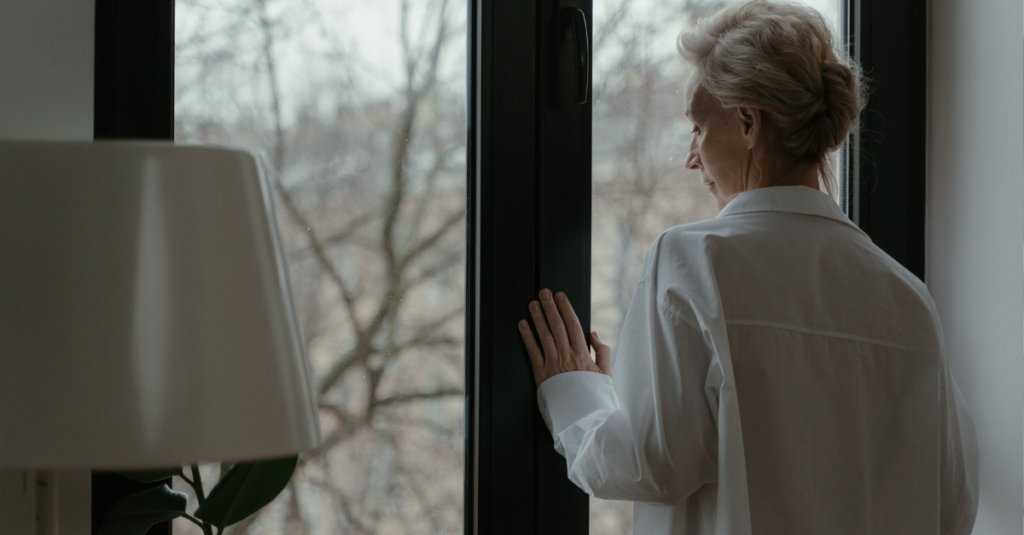

You stand up after sitting for a while and pause before taking your first step.
Your knees feel reluctant. Your hips need a moment. Perhaps your fingers are stiff when you reach for the kettle, or your shoulders complain when you pull on a jumper.
Nothing dramatic has happened. There was no obvious injury. Yet movement no longer feels as effortless or predictable as it once did.
Joint pain and stiffness can become more noticeable in midlife, including during perimenopause and after menopause. Hormonal changes may contribute, but they are only one part of a much wider picture.
Your work, sleep, injuries, muscle strength, inflammation, medication, activity patterns, and health conditions can all influence how your body moves. Understanding these can help you respond with curiosity and care, fostering confidence in your ability to manage your health.
A Quick Answer
Some women report aches, joint discomfort and stiffness during perimenopause and menopause. The NHS guide to menopause symptoms includes joint pain among symptoms that may continue after periods stop.
However, joint pain should not automatically be labelled hormonal.
Osteoarthritis, inflammatory arthritis, tendon irritation, previous injury, prolonged sitting, repetitive work, reduced muscle strength, and certain health conditions can cause similar symptoms. Pain may also feel worse when sleep is poor or when the body has had little opportunity to recover.
Persistent, swollen, hot, or rapidly worsening joint symptoms should prompt you to seek professional assessment promptly, ensuring timely care and peace of mind.
Why Movement May Feel Different in Midlife
Your joints do not work alone. They are supported by muscles, tendons, ligaments, nerves and the wider systems that help your body recover from physical strain.
Changes anywhere in that network can alter how movement feels.
Hormonal changes, particularly fluctuations in oestrogen, may influence tissues involved in movement and pain, helping you understand the biological links during menopause.Some women first notice joint aches or stiffness around the same time as irregular periods, hot flushes, sleep disturbance or other perimenopausal changes.
The relationship between menopause and musculoskeletal pain is complex. Hormonal changes may affect tissues involved in movement and pain, while night sweats, fatigue, and poor sleep may slow recovery or make discomfort harder to tolerate.
This does not mean every painful knee, shoulder, or finger is caused by falling oestrogen. Recognizing that hormonal transition is just one of several factors can help you feel more in control and less overwhelmed by your symptoms.
1. Muscles may need more deliberate support
Muscle mass and strength can gradually change with age, particularly when daily life contains less lifting, walking or resistance work than it once did.
Muscles help absorb force and support the joints. When they are weaker or easily fatigued, ordinary movements such as climbing stairs, carrying shopping or getting up from the floor may feel more demanding.
Recognize that gentle, supportive movement is safe and can help maintain strength, rather than risking injury or discomfort through intense exercise.3
2. Long periods in one position can increase stiffness
Many women move less during the day than they realise.
You might spend hours at a desk, in a car, caring for someone, standing in one position at work or sitting in the evening because you are exhausted. The body can feel stiff after remaining still, even when there is no underlying joint disease.
Repetitive activity can create a different problem. Typing, lifting, cleaning, gripping or performing the same work movement repeatedly may irritate particular joints and tendons.
3. Previous injuries can make themselves known
An ankle sprain from years ago, an old back problem or a knee that never felt completely settled may become more noticeable when routines, strength or activity levels change.
Pain can also develop after doing too much too quickly. Gardening for several hours after a quiet winter or suddenly restarting a demanding workout programme may overload tissues that have not had time to adapt.
4. Joint conditions can begin in midlife
Osteoarthritis can cause pain and stiffness, often in the knees, hips, hands or spine. Symptoms may be worse with use, and morning stiffness is often brief.
Inflammatory conditions such as rheumatoid arthritis may cause swelling, warmth, and longer-lasting morning stiffness, frequently affecting smaller joints, including the hands, wrists, and feet. The NHS advises seeking assessment for unexplained joint pain, swelling or stiffness that does not settle.
Other possible contributors include thyroid conditions, gout, infections and some autoimmune illnesses. This is why patterns, timing and accompanying symptoms matter.
What Joint Pain and Stiffness Can Look Like in Everyday Life
Joint discomfort is not only about the painful area. It can quietly reshape the way you live.
You may begin choosing clothes based on how easily you can fasten them. You might avoid sitting on the floor because getting up has become awkward, or hesitate before agreeing to a long walk because you do not know how your knees will feel later.
At work, pain may make it harder to concentrate. Standing shifts, computer work or repeated lifting can become draining. At home, cooking, cleaning, carrying laundry and caring for others may take longer.
You may also become cautious around intimacy or social plans because your body feels uncomfortable or unpredictable.
These changes can affect identity. A woman who has always considered herself active may feel frightened by stiffness. Someone who is used to managing everything may feel frustrated when she needs help opening a jar or carrying a bag.
Pain can also create a difficult cycle. You move less because movement hurts, then feel weaker and stiffer because you are moving less.
Breaking that cycle does not require forcing your body through pain. Often, it begins with smaller, steadier movements and the right support, helping you feel hopeful about manageable improvements.
Challenging common assumptions
Joint pain in midlife does not automatically mean:
- Your body is permanently deteriorating.
- Menopause explains every symptom.
- You should stop moving completely.
- Pain means exercise is always causing damage.
- You need to lose weight before you deserve care.
- You must exercise intensely to become stronger.
- Rest is a sign that you are giving in.
- You should tolerate worsening pain because of your age.
Your body may need a different balance of movement, recovery and assessment than it needed ten years ago. Different does not mean broken.
Supporting More Comfortable Movement
These are general wellbeing suggestions. They are not a treatment plan for a diagnosed joint condition, recent injury or unexplained severe pain.
1. Begin with movement you can repeat
A small amount of regular movement is often more useful than one demanding session followed by several painful days.
You might begin with:
- A short walk
- Gentle shoulder circles
- Slow ankle movements
- Standing up and sitting down from a chair
- Easy stretches after a warm shower
- Light household activity broken into shorter periods
Pay attention to how you feel during the activity and later that day. Mild temporary discomfort can occur when beginning unfamiliar exercise, but severe pain or significant worsening should not be pushed through.
2. Build strength gradually
Strengthening can support physical function and make everyday tasks feel easier. Depending on your starting point, this might include resistance bands, light weights, body-weight movements or exercises guided by a physiotherapist.
For people with osteoarthritis, NICE identifies tailored therapeutic exercise—including local muscle strengthening and general aerobic activity—as a core part of management. Exercise should be matched to the person’s needs and abilities rather than prescribed as a one-size-fits-all programme.
Useful starting movements may include:
- Standing up from a supportive chair
- Wall push-ups
- Heel raises while holding a stable surface
- Gentle resistance-band rows
- Carrying a light object for a short distance
A physiotherapist or suitably qualified exercise professional can help you adapt movements to manage pain, balance difficulties, or existing health conditions.
3. Include mobility in ordinary moments
Mobility does not require a formal stretching routine.
Try moving through a comfortable range after being still for a while. Stand during phone calls, circle your ankles before getting out of bed, or gently open and close your hands after long periods of typing.
Warmth may help some people feel less stiff. A warm shower, bath or heat pack can feel soothing, provided you protect the skin and avoid heat over a newly injured, hot or visibly swollen joint.
4. Use rest as part of movement, not its opposite
Rest and activity work together.
When symptoms flare, temporarily reducing or changing an activity may be sensible. You might divide gardening into shorter sessions, alternate physical jobs with seated tasks or avoid repeatedly loading the same joint.
Complete inactivity can sometimes increase stiffness and reduce confidence. The goal is not to choose between moving and resting, but to find a rhythm your body can recover from.
Sleep also matters. Pain can interrupt sleep, while poor sleep may make pain harder to cope with the following day. Support for persistent sleep problems may therefore form part of managing physical discomfort.
5. Make daily tasks easier
Small adaptations can reduce unnecessary strain:
- Use both hands to carry heavier objects.
- Keep frequently used items within easy reach.
- Choose supportive footwear that feels comfortable.
- Use a backpack or wheeled bag instead of carrying weight on one side.
- Sit for tasks that do not require standing.
- Change position regularly during desk work.
- Ask for help before pain becomes overwhelming.
These changes are not an admission of defeat. There are ways to keep your energy for the parts of life that matter.
It is worth getting support if…
- Joint pain is affecting your sleep or normal activities.
- Pain or swelling keeps returning or is becoming worse.
- Symptoms have not improved after around two weeks of basic self-care.
- Morning stiffness regularly lasts longer than 30 minutes.
- Several joints are painful, swollen or unusually warm.
- You have persistent hand, wrist or foot stiffness.
- A joint repeatedly gives way, locks or feels unstable.
- Pain follows an injury, and you cannot use the joint normally.
- You have unexplained fatigue, fever, rash or weight loss alongside joint symptoms.
- Pain is affecting your mood, confidence or ability to remain active.
The NHS recommends speaking to a GP when joint pain interferes with ordinary activities or sleep, keeps returning, worsens or is accompanied by prolonged morning stiffness.
When Professional Support May Help
A GP, nurse practitioner or physiotherapist can help identify whether pain is more likely to come from a joint, muscle, tendon, nerve or another source.
Assessment may include questions about:
- When symptoms began
- Which joints are affected
- Whether there is swelling or warmth
- How long morning stiffness lasts
- Previous injuries
- Work and activity patterns
- Other symptoms and medical conditions
- Medicines and supplements
Blood tests, imaging, or a specialist referral are not needed for every joint problem, but may be appropriate when symptoms suggest inflammation, infection, injury, or another underlying condition.
Physiotherapy may help with tailored strength, mobility, balance and pacing. Some NHS areas allow people to contact musculoskeletal or physiotherapy services directly.
Pain-relieving medicines, anti-inflammatory treatments, injections, and arthritis treatments require professional guidance. A pharmacist or prescriber can take into account your other medicines and health conditions, as some pain medicines are not suitable for everyone.
Hormone replacement therapy may be discussed when joint symptoms occur alongside other troublesome menopausal symptoms. However, HRT is not a general treatment for all types of joint pain, and decisions should be based on your broader symptoms, medical history, preferences, and individual risks.
Conclusion
Midlife movement may not always feel the way it once did.
Your body may need more time to warm up, more regular strength work, or greater respect for recovery. Hormonal changes may be contributing, but so may your work, sleep, health, previous injuries and the amount of physical and emotional labour you carry.
Pain deserves attention without panic. It is neither proof that your body is failing nor something you must quietly tolerate.
Begin with what is manageable. Move gently, build gradually and notice what helps. Rest when your body needs recovery, but do not assume that movement is no longer for you.
The aim is not to force your body back into an earlier version of itself. It is to understand the body you live in now and help it remain capable, supported and included in your life.
When to Speak to a Healthcare Professional
Arrange a routine appointment if your joint pain or stiffness is persistent, unexplained, worsening or interfering with work, sleep, mobility or daily activities.
Seek urgent medical advice if:
- One joint suddenly becomes severely painful and swollen.
- A joint is hot or the surrounding skin changes colour.
- You have joint pain with fever, chills or feeling generally unwell.
- You cannot bear weight or move a joint after an injury.
- A joint looks misshapen.
- You develop new weakness, numbness or loss of bladder or bowel control.
- Pain follows a significant fall or accident.
Sudden, severe pain, swelling, a change in skin colour, and fever can indicate an infection inside a joint and require urgent assessment.
Frequently Asked Questions
1. Is joint pain a normal part of menopause?
Joint pain can occur during perimenopause and after menopause, but it should not automatically be considered harmless or purely hormonal.
New, persistent, or worsening pain may require assessment to rule out arthritis, injury, or another health condition.
2. Should I exercise when my joints hurt?
Gentle, appropriate movement may reduce stiffness and support strength. The best type and amount depend on the cause of the pain and its severity.
Avoid forcing a painful or injured joint. Seek advice if exercise causes severe pain, marked swelling or a worsening that does not settle.
3. Is walking enough to support my joints?
Walking can support mobility, cardiovascular health and general fitness. However, adding some form of strengthening may provide additional support for muscles and everyday function.
Your routine does not need to be complicated. Consistency matters more than intensity.
4. Why am I so stiff in the morning?
Brief stiffness may follow sleep or inactivity. Longer-lasting morning stiffness, particularly when joints are swollen, may suggest an inflammatory condition and should be discussed with a healthcare professional.
The NHS advises seeking assessment when morning joint stiffness regularly lasts longer than 30 minutes.
5. Can menopause treatment improve joint pain?
Some women report changes in joint symptoms when wider menopausal symptoms are treated, but joint pain can have many causes.
Discuss HRT or other menopause treatments with a qualified professional rather than assuming they will treat a specific joint condition.
6. Do I need a scan?
Not always. Many joint problems can initially be assessed through your history and a physical examination.
A healthcare professional may arrange imaging when the diagnosis is uncertain, symptoms are severe, or an injury or particular condition is suspected.
Key Takeaways
- Joint pain and stiffness can become more noticeable in midlife.
- Hormonal changes may contribute, but they are not the only possible cause.
- Osteoarthritis, inflammatory arthritis, injury, repetitive movement and reduced strength can produce similar symptoms.
- Gentle mobility and gradual strengthening may support comfort and function.
- Rest is useful, but complete inactivity can sometimes increase stiffness.
- Painful, swollen, hot or persistently stiff joints should be assessed.
- Treatment should be guided by the cause rather than by age or assumptions about menopause.
- Your body may need thoughtful support, not punishment or pressure.
Medical Disclaimer
This article is for educational purposes only and does not replace personalised medical advice, diagnosis or treatment. If you are worried that your symptoms are getting worse, or if something does not feel right in your body, please speak with your doctor, nurse practitioner, gynaecologist, endocrinologist, physiotherapist, rheumatologist, or another qualified healthcare professional. Seek urgent medical help for severe, sudden or concerning symptoms.